Before Obubu
Proust lovingly described the gentle childhood memories that could be awakened by a simple madeleine: the nostalgia felt when his senses came alive and brought buried memories to the surface.
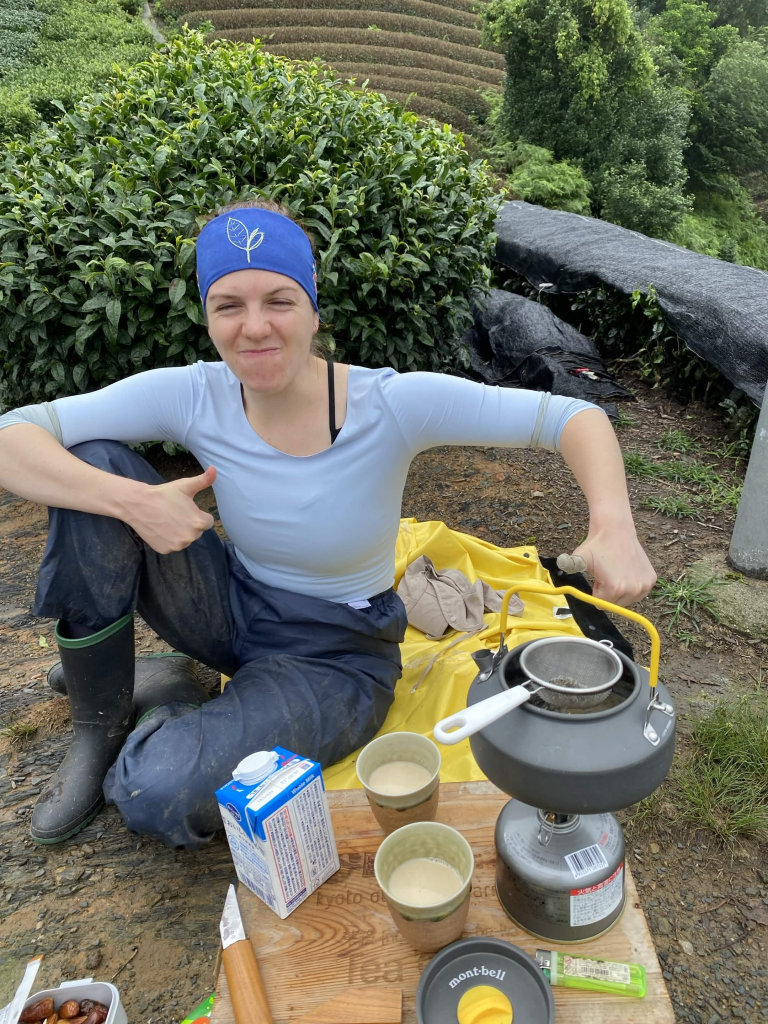
For me, tea is connected to moments of travel, moments from my past, and moments of life shared with others.
It is both an integral part of the way I see the world and an expression of my love for all the cultures in my family—from the tea time passed down by my grandparents to the mint tea and chai shared with my brothers and sisters.
What fascinates me most about tea is its universality and its central role in bringing people together. I sometimes regret that my country does not have as strong a culture as other countries in which a hot drink serves as a symbol of hospitality.
Some of my most beautiful shared moments have taken place around a cup of tea.
As a social worker, I met people from all over the world, most of whom shared the habit of socializing around tea. For months, I watched Mr. Diop come down to the entrance of his social housing residence every day after school to offer Senegalese mint tea to the whole neighborhood. People we never saw before began making a habit of coming down every day to meet around a cup of tea.
I also remember an undocumented woman I had never met before. After waiting for many hours for legal assistance, she burst into tears when someone offered her a cup of tea: “Really, am I allowed to have one?” The simple act of offering her tea restored her humanity, gave her an existence beyond her case number, and returned a sense of dignity to her.
I have been welcomed with kindness and distinction in so many places through tea.
Tea has accompanied some of my most meaningful human experiences, and little by little, I wanted to give something back to the world and share it more widely.
Why Obubu?
I was fortunate enough to obtain a one-year working holiday visa to come to Japan with two goals:
- Learn Japanese Sign Language.
- Learn more about the seasons in Japan and about tea.
The first part of my trip was very academic. I looked for many books about tea and tea-related practices. However, I had a great deal of difficulty finding books that were neither too beginner-level nor too advanced. At the same time, I was actively looking for farms where I could do WWOOFing and take part in tea-related training programs.
Then one day, over a cup of tea during a trip to Kyushu, the person I was speaking with told me about Obubu. She had been there a few weeks earlier for a “tea tour.”
However, I only had one week to make up my mind before applications closed—and I was in the middle of my trip. I did my research as best I could whenever I had a free moment between Nagasaki, Kumamoto, Kagoshima, Miyazaki, and even Okinawa.
I visited the website, compared the different programs, read articles written by former interns, watched the videos, and quite quickly came to the conclusion that Obubu met all my expectations—and more! I recorded my selection video in the middle of a shared hostel room, and a few months later, here I am!
During Obubu
Life at Obubu changes with the seasons and with the arrival and departure of interns. People often talk about being in a “bubble,” both in terms of time and social life. We alternate between intense activity and moments that seem suspended in time.
During these three months, we get to:
- Share tea every morning during our meeting.
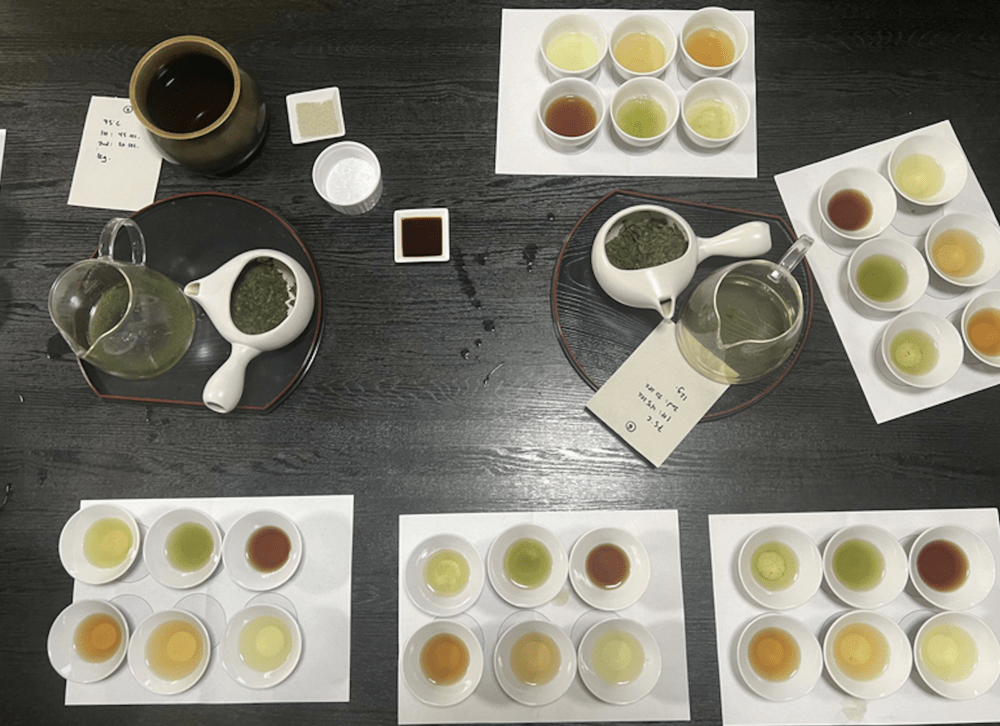
- Taste teas.
- Study tea through five major themes, always with a cup of tea.
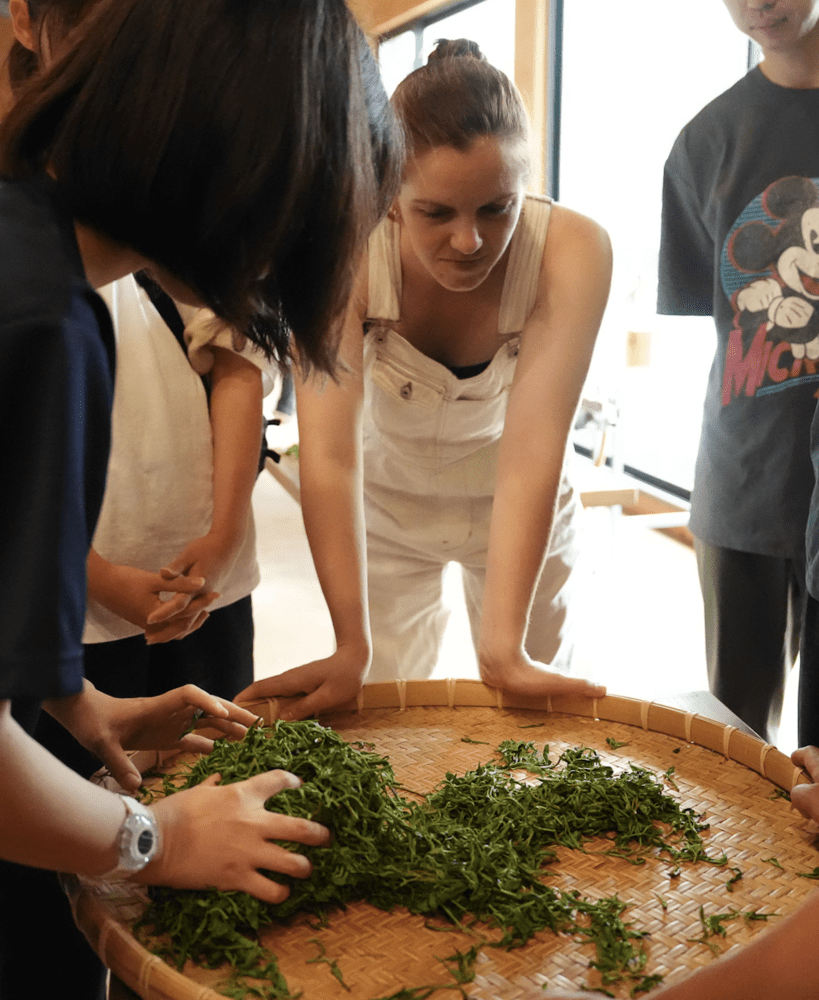
- Produce our own tea: kamairicha, black tea, white tea, one-day processing, hand-rolling—and drink our tea!
- Organize and participate in Tea Lounges—and drink tea!
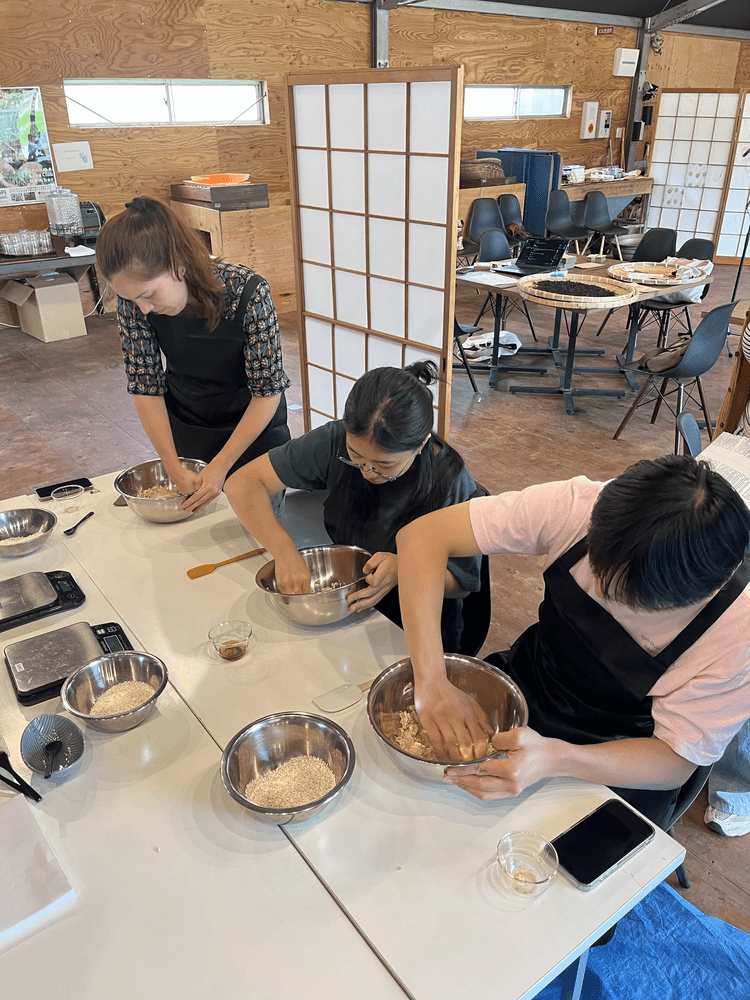
- Take part in workshops—and drink tea!
- Participate in events such as tea picking and school trips—and drink tea!
- Conduct Tea Tours in different formats—and drink tea!
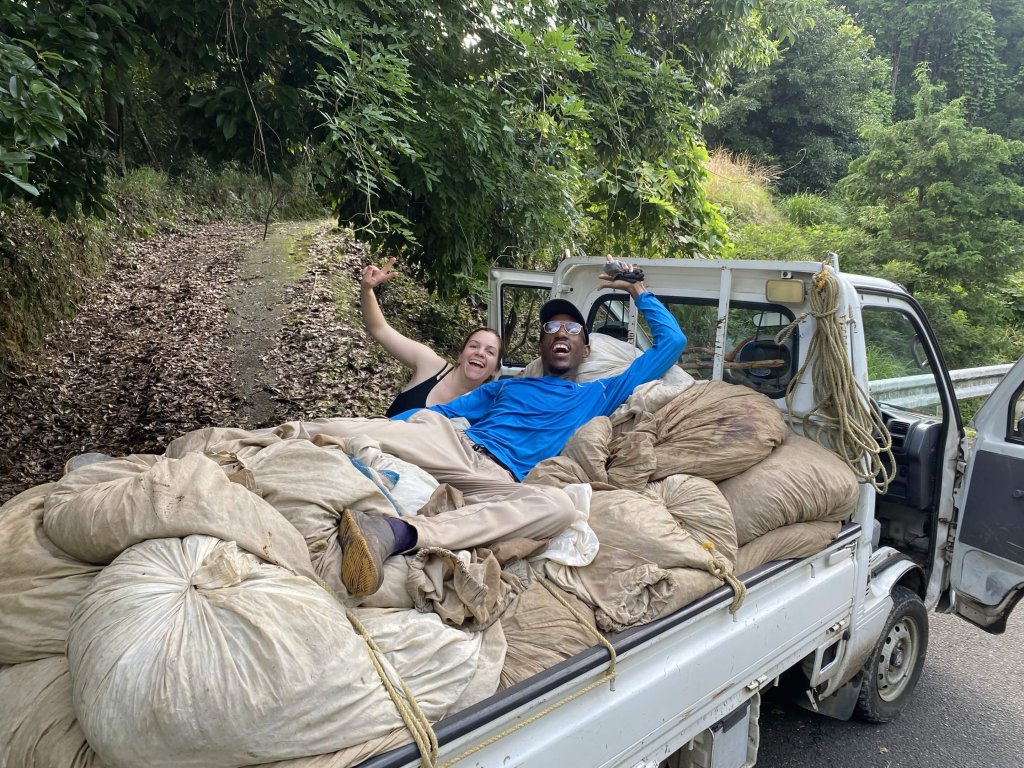
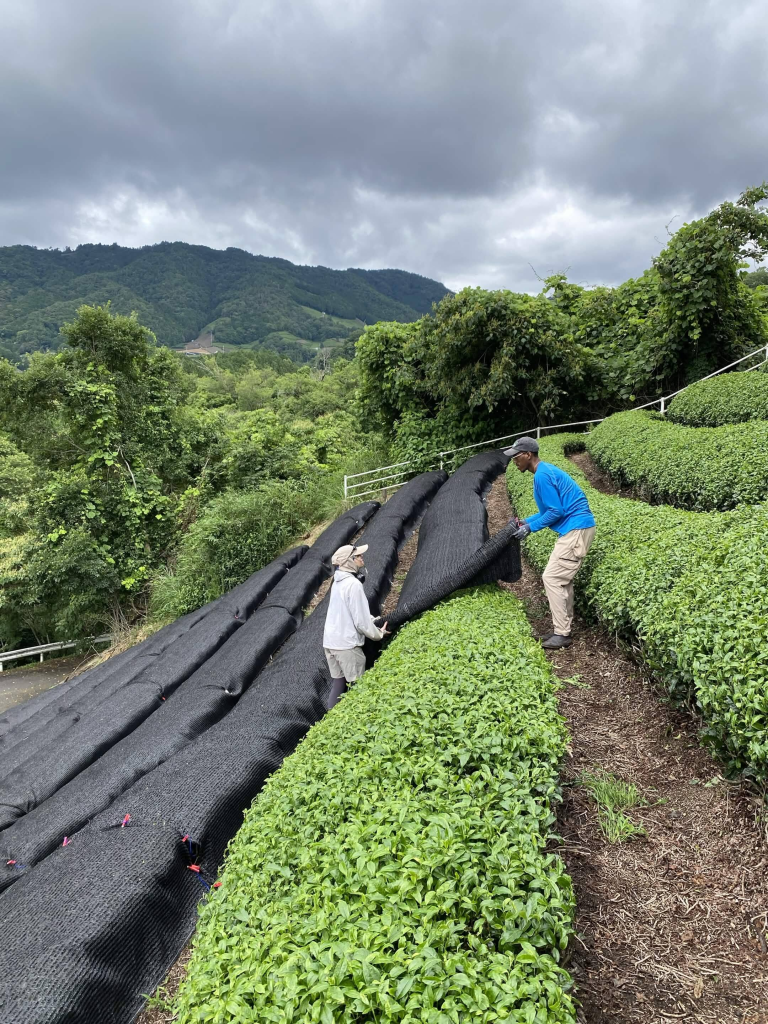
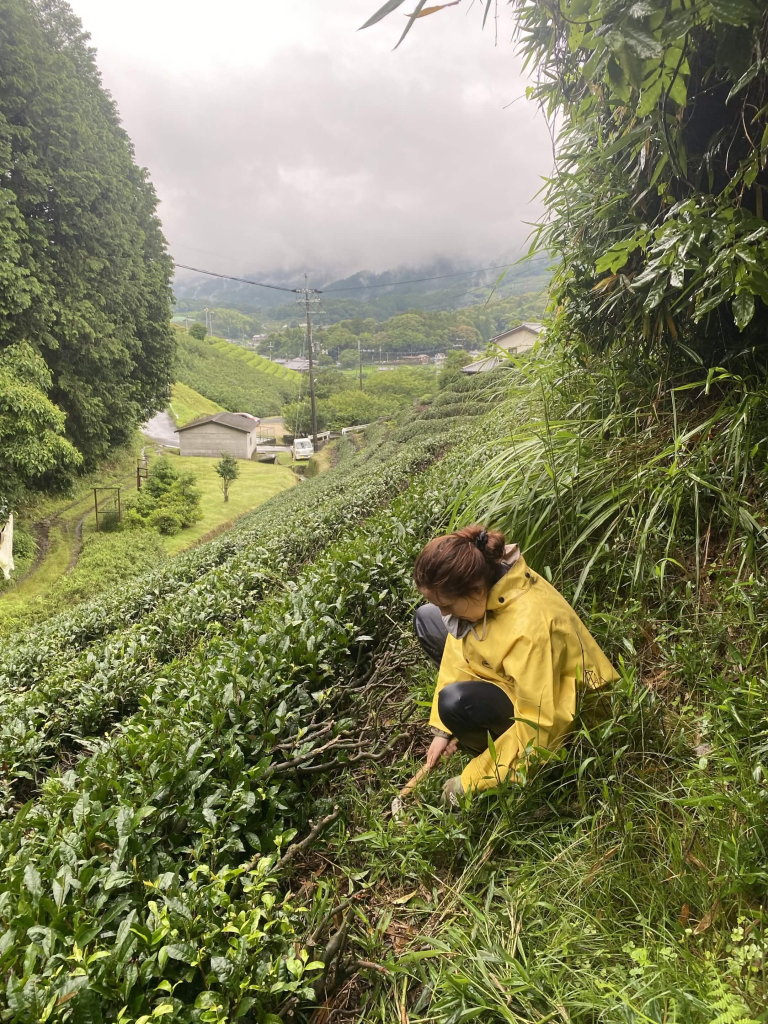
- Work on the farm: harvesting, trimming, and weeding, with a tea break!
- Help at the café and cook with tea.
- Assist with running the shop—with no cup of tea.
- Take part in factory activities: assisting with tea processing and cleaning.
This list is not exhaustive, and every week can bring new discoveries and skills to learn.
What exceeded my expectations
- The teaching approach and natural progression.
- The individual support.
- The attentive listening and support I received.
My past experiences had not always provided ideal internship conditions for learning, so I had some concerns about what it would mean to be an intern for three months. However, I discovered a professional team supported by welcoming and attentive Assistant Managers.
The timing and pace of each new learning experience had been carefully considered and introduced gradually, while respecting everyone’s individual needs. As someone who works in education, I found that incredible!
Beyond being grateful for everything I was able to learn in such a short period of time, I truly appreciated that it was all done with sincerity, ethics, kindness, and often a great deal of humor.
My only regret
- The season.
Summer becomes a quieter season for agriculture in August. If I had to choose to relive the experience, I would do it without hesitation—but in spring, so that I could enjoy more of the evening tea-processing sessions <3
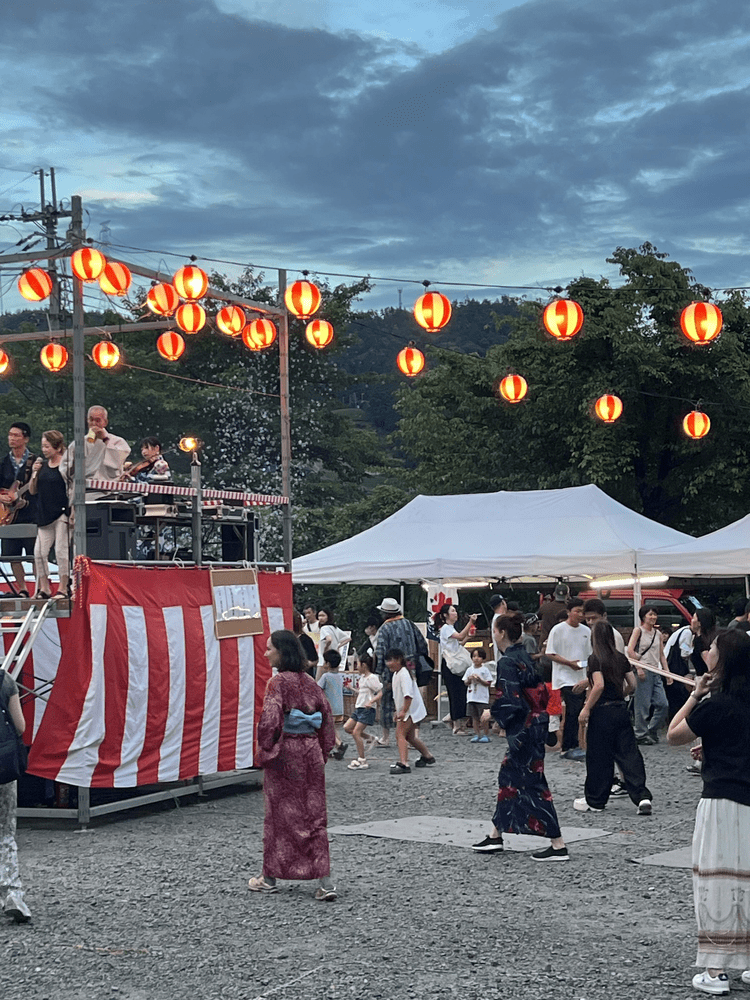
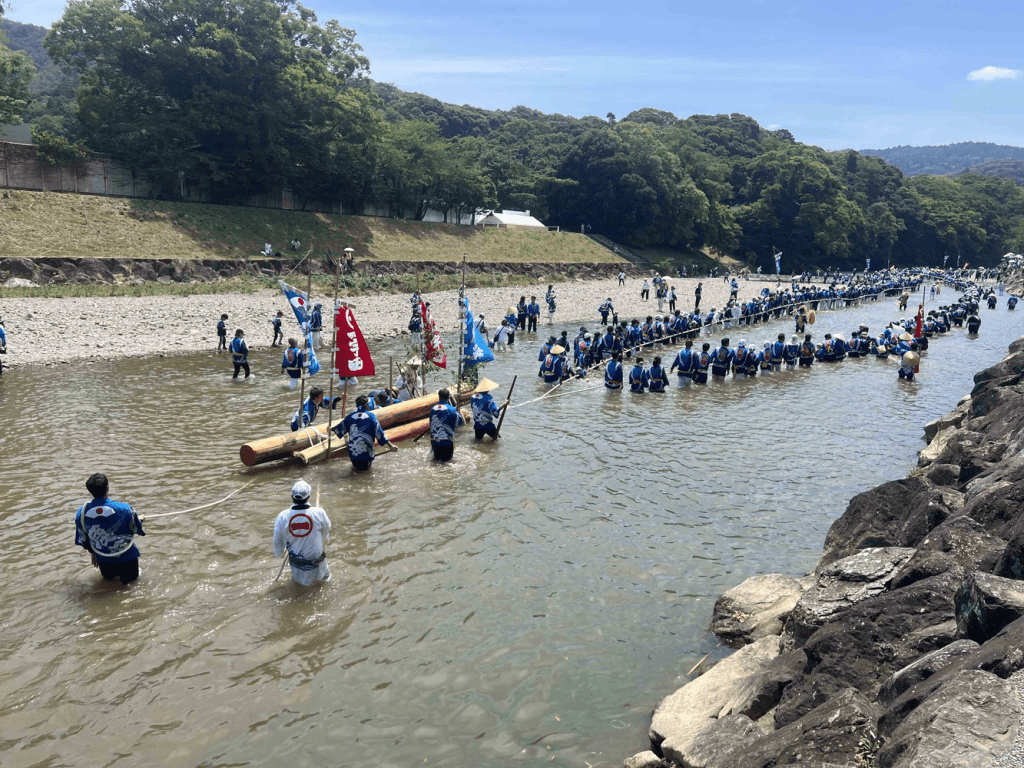
Beyond the working days, Obubu is also a place where people share group moments through many different activities. It may also happen that Assistant Managers try to make you eat non-edible foods. (/!\ Don’t eat Garance’s onions, and beware of Maren’s “super snacks”—dehydrated miso soup.)
After Obubu
The list of future projects is long. Becoming an Obubu Ambassador is already a start.
I will return to teaching social sciences while gradually continuing my tea education through tea sommelier courses and further trips to farms across Asia.
Ideally, by next year, I will be able to organize workshops related to tea and sensory awareness for people with mild Alzheimer’s disease and people with cognitive disabilities.
And, of course, drink lots and lots of tea.