
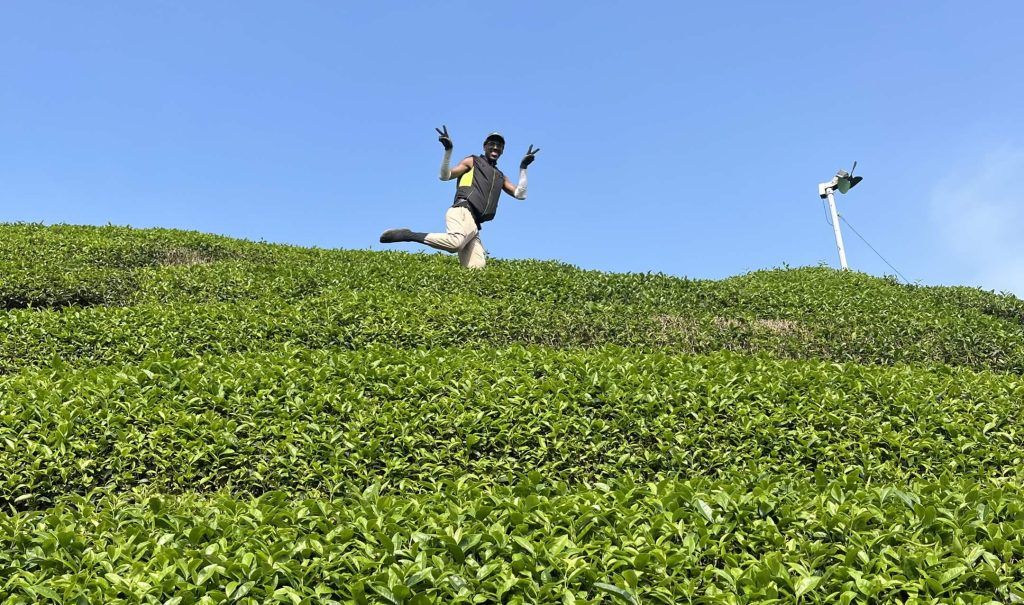
Creating a meaningful tea space can start with something as simple as a single flower.
🌼 Bright, vibrant, and surrounded by a lived-in atmosphere, the space at Obubu carries an artisanal, rustic charm that makes people want to slow down and stay awhile.
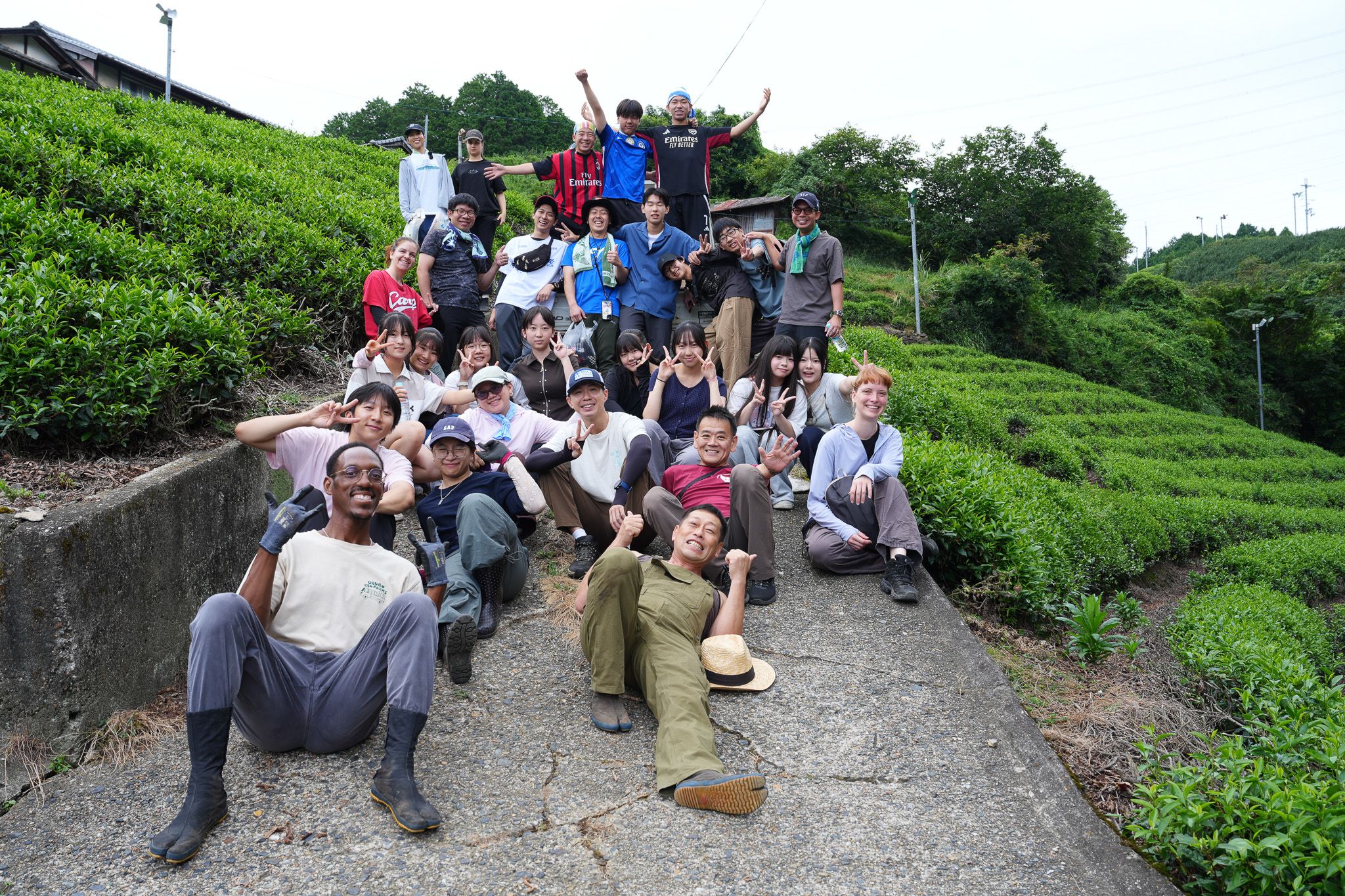
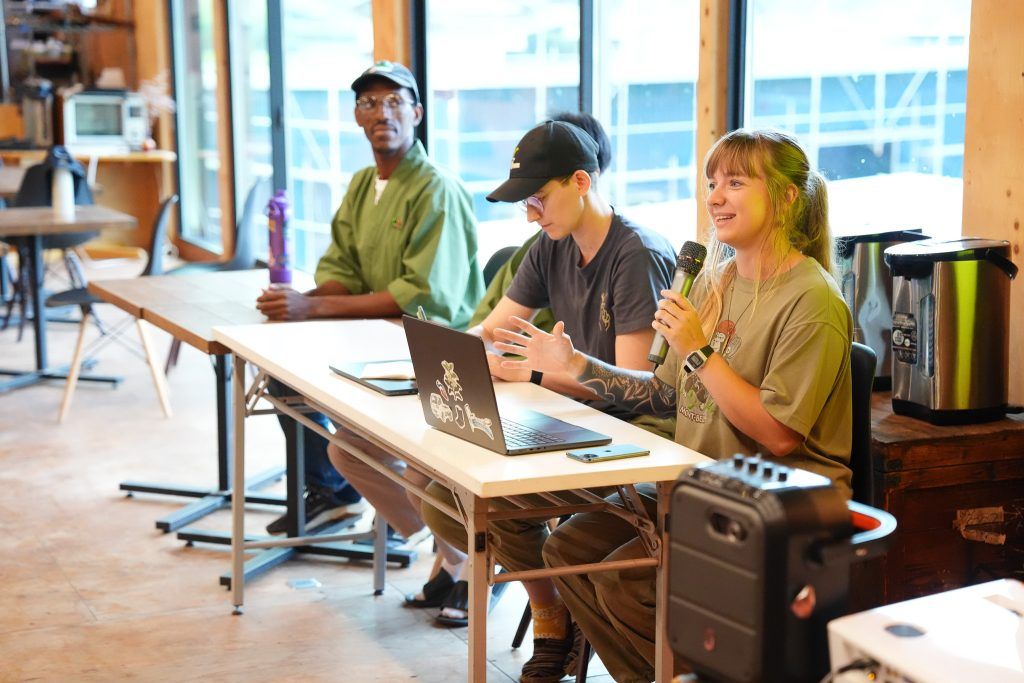
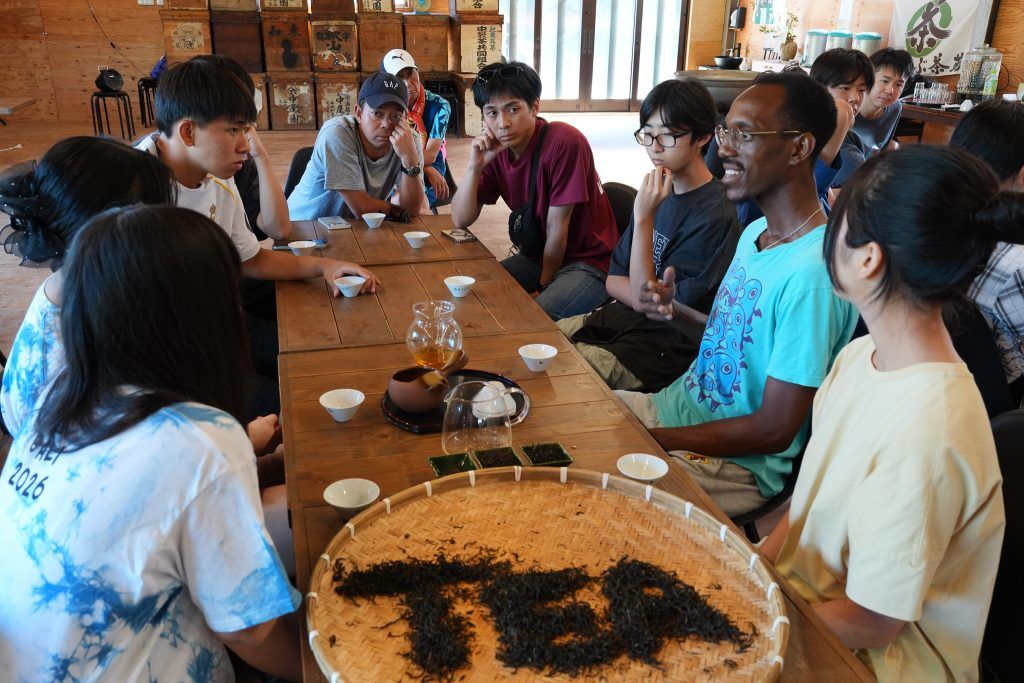
During my time at Obubu, I’ve had the opportunity to work on a version of myself that is more willing to engage with people I don’t know while still keeping those interactions warm and personal. I’ve learned that creating a welcoming tea experience isn’t only about the tea itself. It’s about creating an environment where people feel comfortable participating, whether they are passionate tea enthusiasts or simply curious casual drinkers.
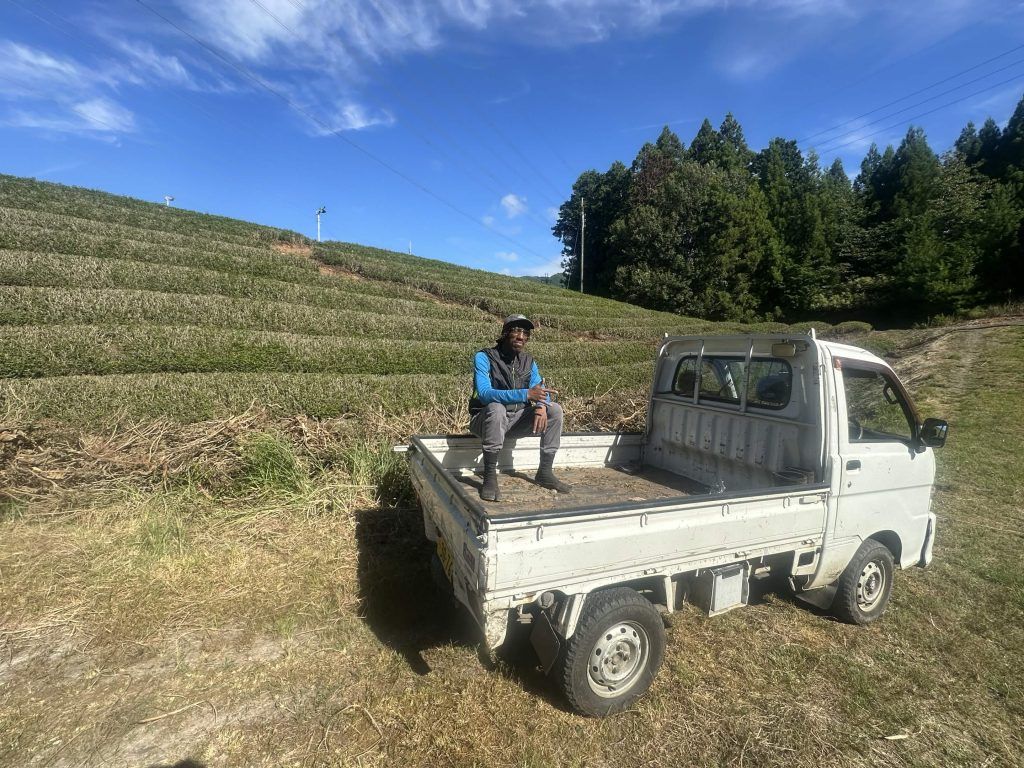
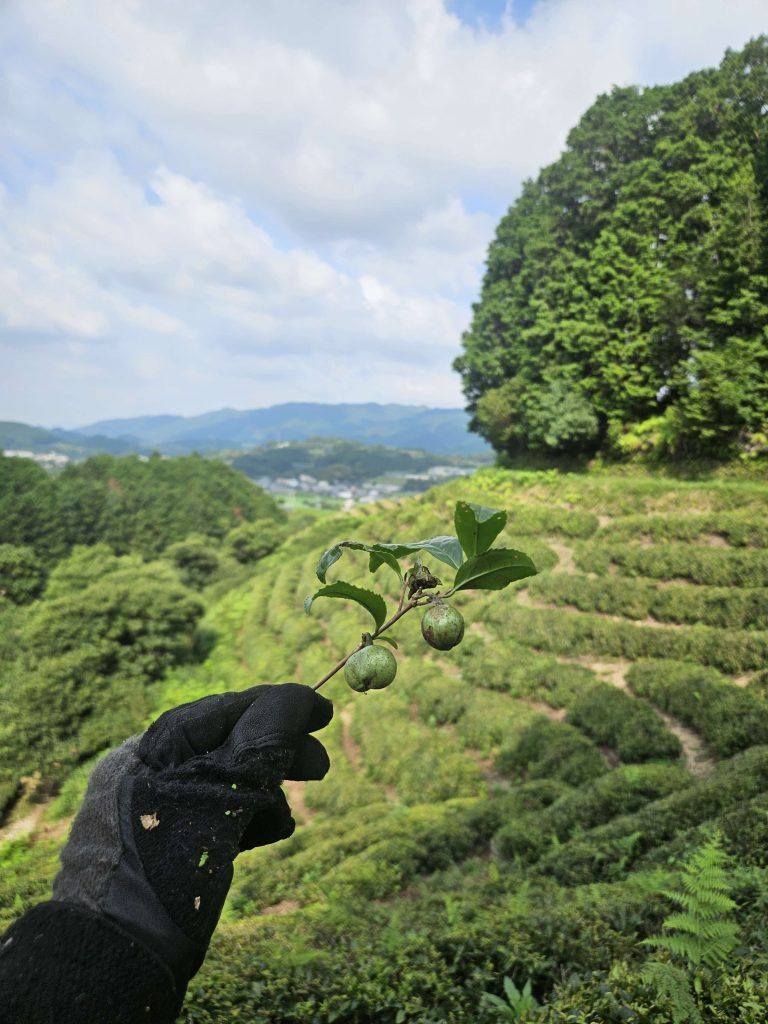
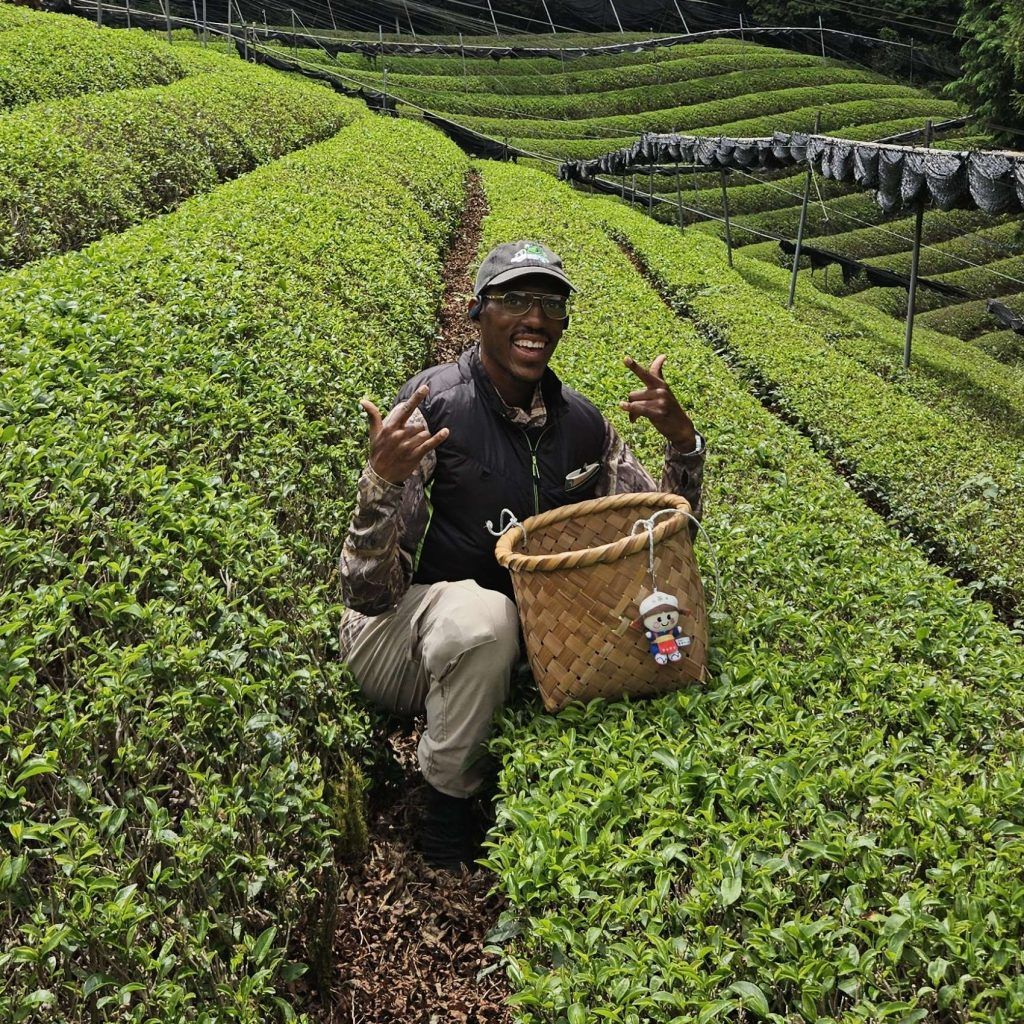
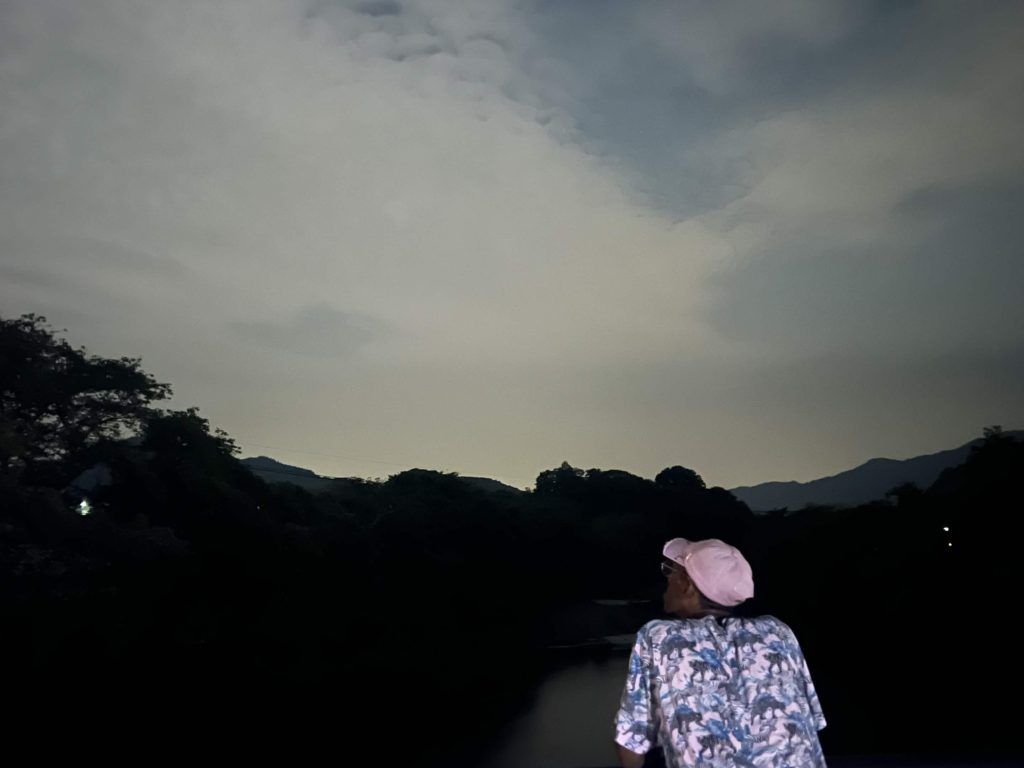
The many hikes around Wazuka became another important part of that experience. They gave me a chance to clear my mind, decompress from the busy weeks, and reconnect with myself. Deep in the forests of Dosenbu or around Mount Jubu, I would sit with whatever book I carried that day and let the melody of the cicadas wash over me. That kind of quiet became necessary for me. As a military veteran living with PTSD, finding time to step away, breathe, and stay grounded has been an important part of getting through the harvest season.
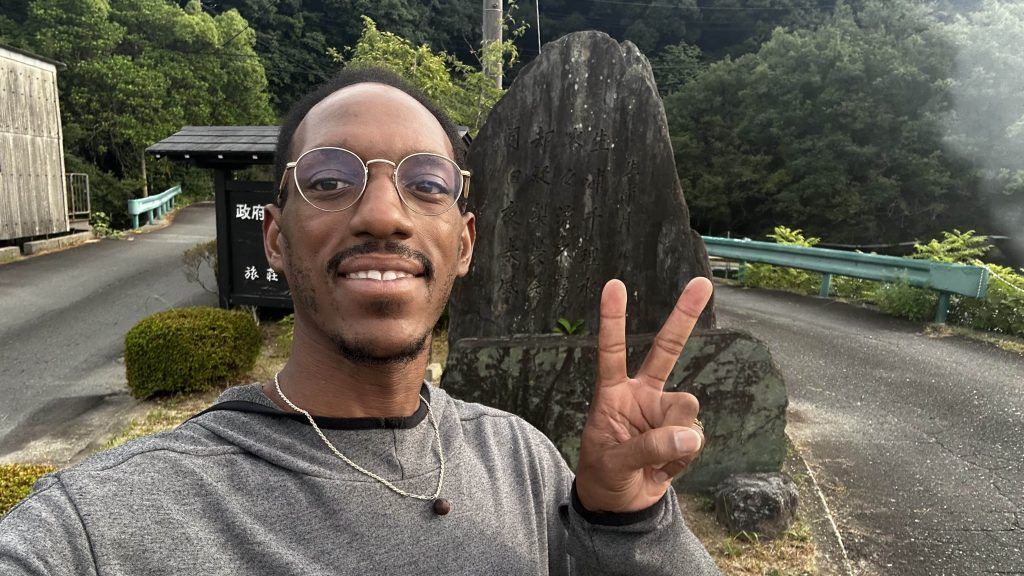
At the same time, being here has given me a much deeper appreciation for the challenges facing agriculture in Wazuka. Obubu Tea Farms is not only growing tea; it is creating opportunities for people from outside Japan to learn, contribute, and grow alongside the local agricultural community. Being part of that process has shown me how much potential there is when people are given the opportunity to participate meaningfully.
These three months at the farm have been amazing! I’ve sharpened my skills in public speaking and community building while deepening my understanding of Camellia Sinensis. Coming from an herbal background, the tea plant itself wasn’t completely unfamiliar to me. My research into tisanes and medicinal herbs helped me understand some of the distinctions between herbal “infusions” and what makes a “true tea” truly tea.But learning the science, history, cultivation practices, and culture of camellia sinensis firsthand has given me something research alone never could. I’m leaving these three months with sharper skills, a deeper respect for tea farming, and a stronger understanding of what it means to build community around a plant. Most importantly, this experience has shown me the value of Akky-san’s vision: not simply becoming a tea farmer, but creating a place where people can learn, contribute, connect, and carry that knowledge beyond Wazuka. That is something worth taking with me.
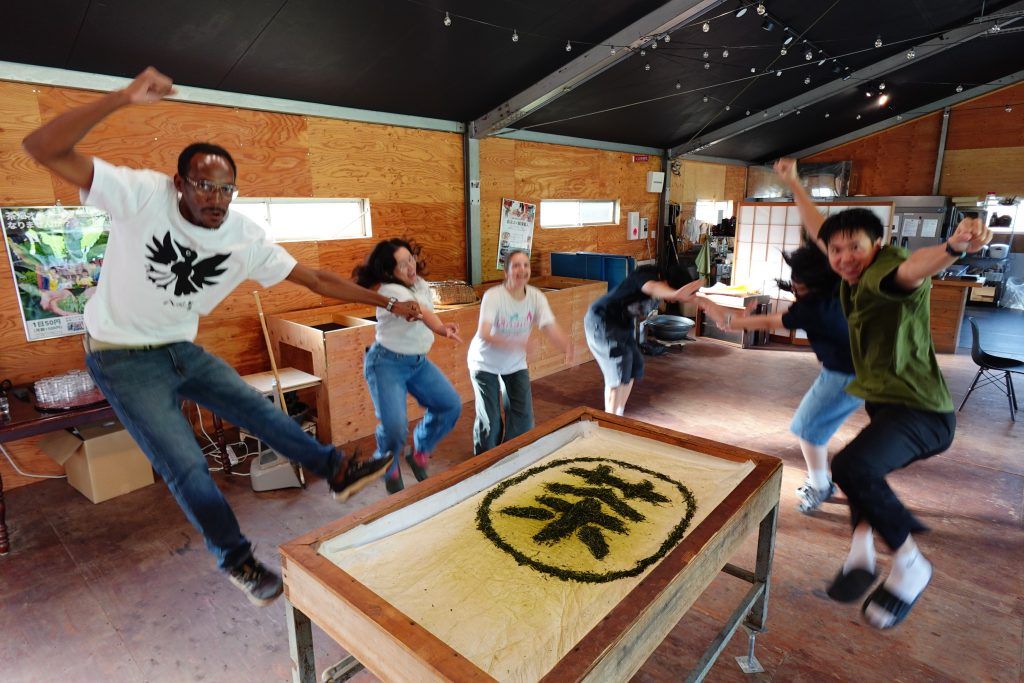
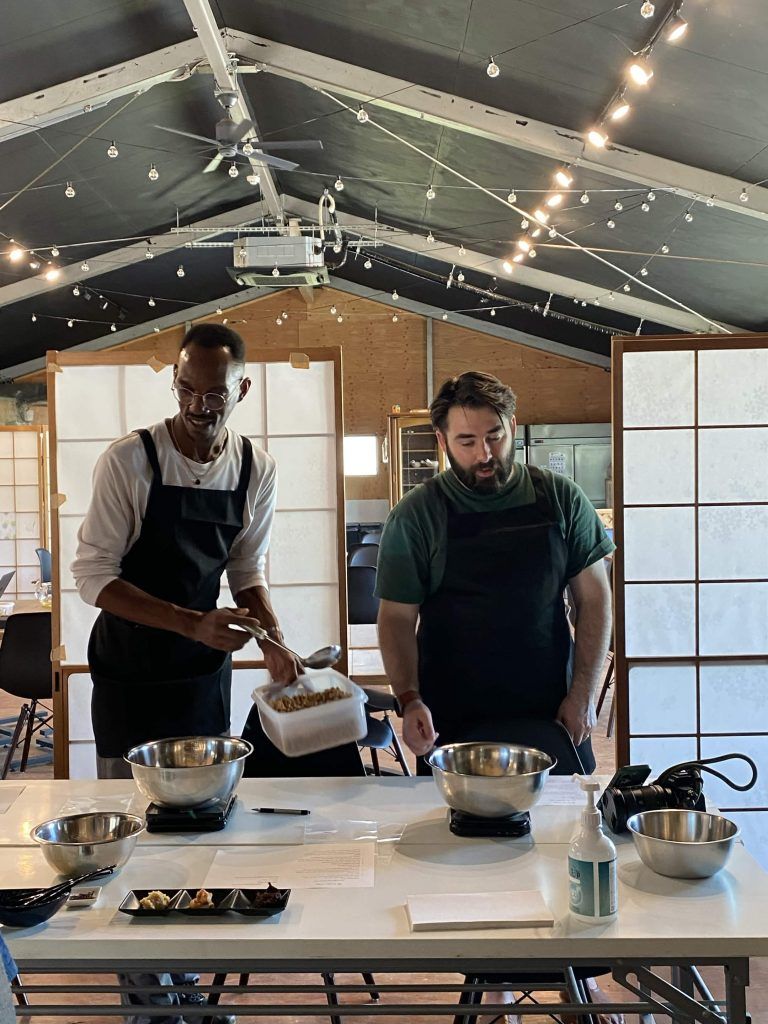
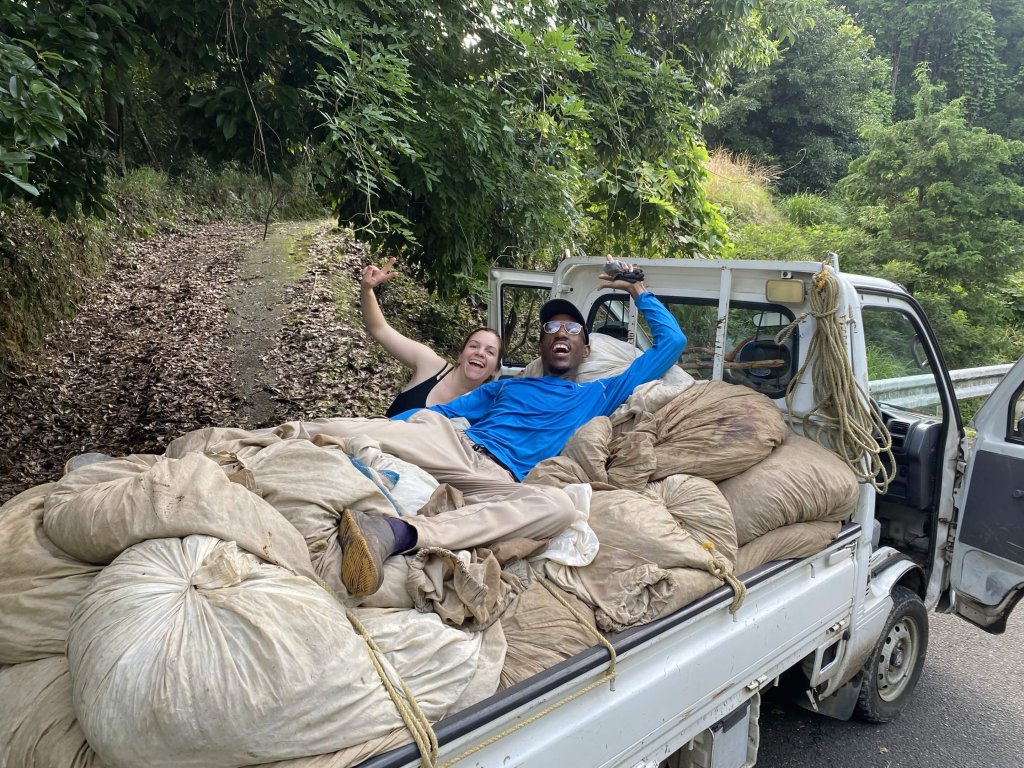
This may only be the first step. There are more fields to explore, more stories to tell, and more ways to connect visitors with Wazuka and its tea. But before the next chapter begins, I invite you to experience what has been created so far. This project started with the idea that a tea tour doesn’t always need a guide standing beside you. Sometimes, all you need is a path, a pair of headphones, and a story to follow.
The research, recordings, and route have now come together into a self-guided audio tour through Wazuka.
Put on your headphones, take a walk, and let Wazuka be your guide.
🎧 Listen to the Obubu Self-Guided Tea Tour on SoundCloud →