One Week Volunteering at Obubu Tea Farm
Day 1
I traveled from Tokyo to Kyoto by Shinkansen, then took the Nara Line to Kizu, continued to Kamo, and finally reached Obubu by bus.
Even on the bus ride, I could already see the vast tea fields of Wazuka stretching across the landscape. Since it was cherry blossom season, I was also treated to beautiful views of sakura, rivers, and tea fields — a perfect introduction to the area.
I left Tokyo early in the morning and arrived at Obubu in the early afternoon. As I opened the door of the shop among the cluster of buildings, Miwako-san warmly welcomed me.
After arriving, I was shown to my accommodation, given an introduction to Obubu, and had a chance to reflect on my goals and what I wanted to learn during this experience.
Later, I joined a tea tour for a few hours and finished my first day around 5 PM.
Day 2
I woke up at 7 AM and went upstairs at the Hojicha House, where everyone was already having breakfast.
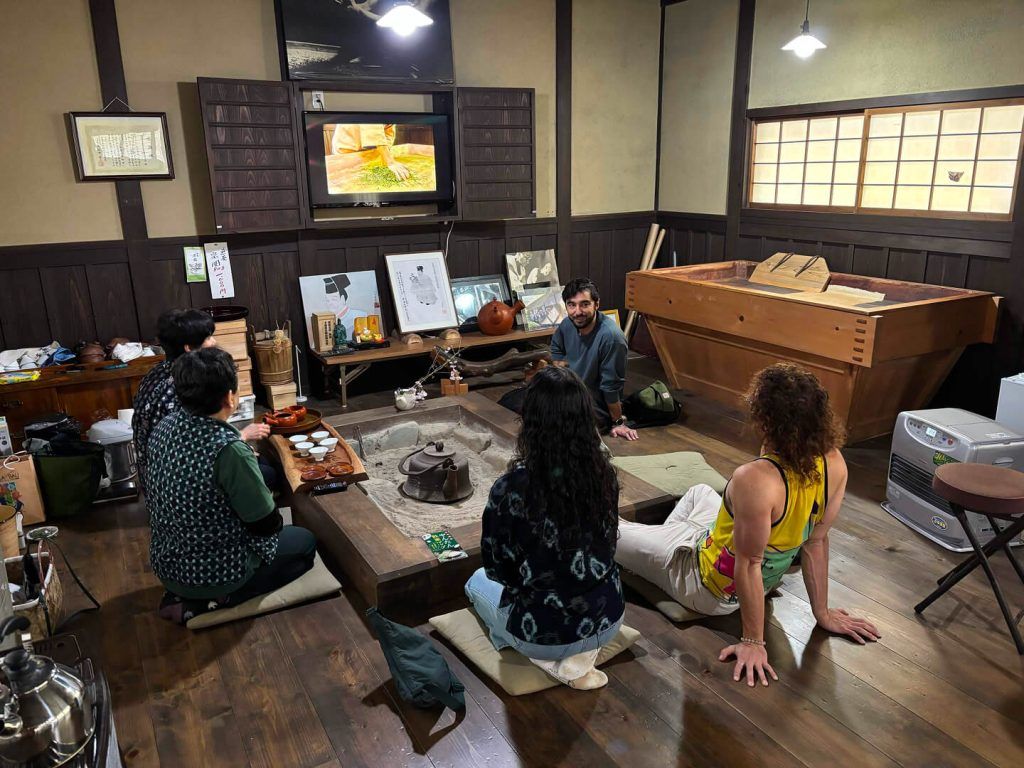
Meeting everyone little by little and sharing tea together in the kitchen was a memorable experience. I felt that these simple morning moments would become an important part of my Obubu memories.
Tuesday mornings start with cleaning. At 9 AM, everyone worked together to tidy up the house.
After that, I helped with a full-day tea tour. There were 17 guests, mainly from Europe and the US — some were matcha lovers, while others were completely new to Japanese tea.
The tour included tea lectures in the morning and afternoon, a visit to the tea fields, and a lunch featuring dishes made with tea. There were also demonstrations by tea masters and opportunities to brew tea ourselves, making it a very interactive and enriching experience.
In the evening, we gathered in the kitchen again, sharing stories about the day.
This time, I joined the program while continuing my remote work in Tokyo, so I couldn’t join evening outings. Still, it was lovely to see how close the interns were and how much fun they had together.
Day 3
On the third day, I helped in the dining area as part of the tea tour. There was also a private tour happening at the same time, and I realized how many visitors from all over the world come to Obubu every day.
The environment was incredibly international — with staff, assistant managers, and interns from diverse backgrounds. It made me feel that people who come to Wazuka are truly unique and interesting.
Time flew by as I helped with meal preparation, serving, and cleaning.
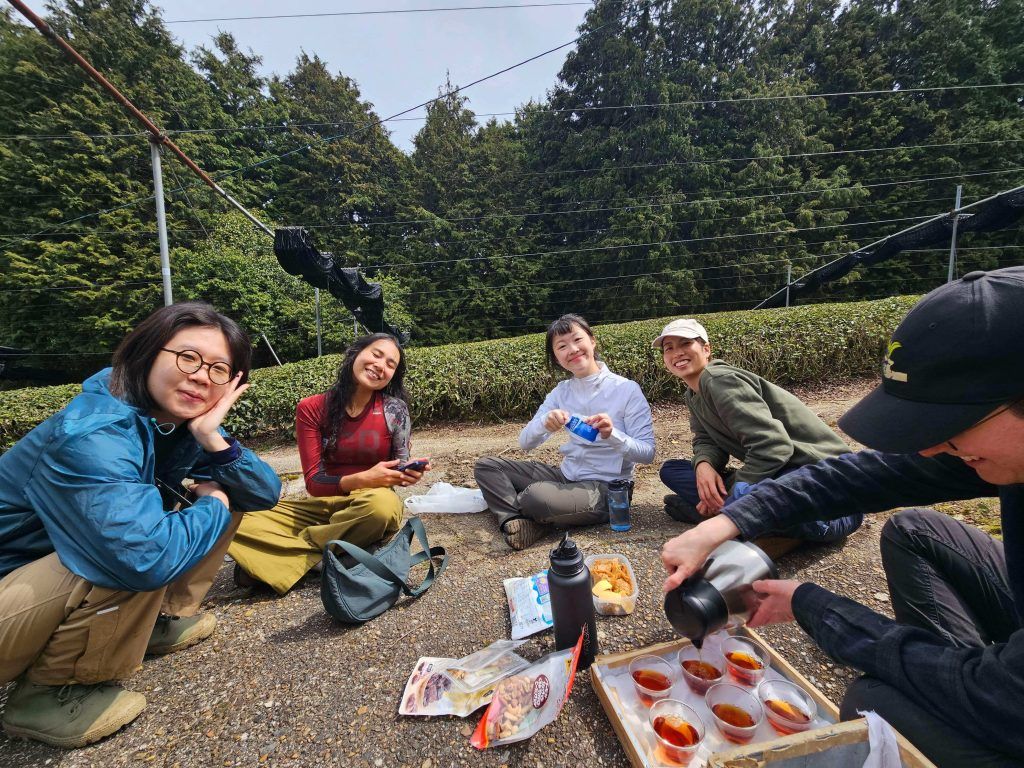
Later, I had the chance to briefly join another tour. After spending most of the day in the kitchen, it felt amazing to step outside into the sunny tea fields, enjoy cold-brew tea, and learn about tea varieties and cultivation.
Above all, I was deeply moved by the beauty of Wazuka — tea fields everywhere, surrounded by mountains.
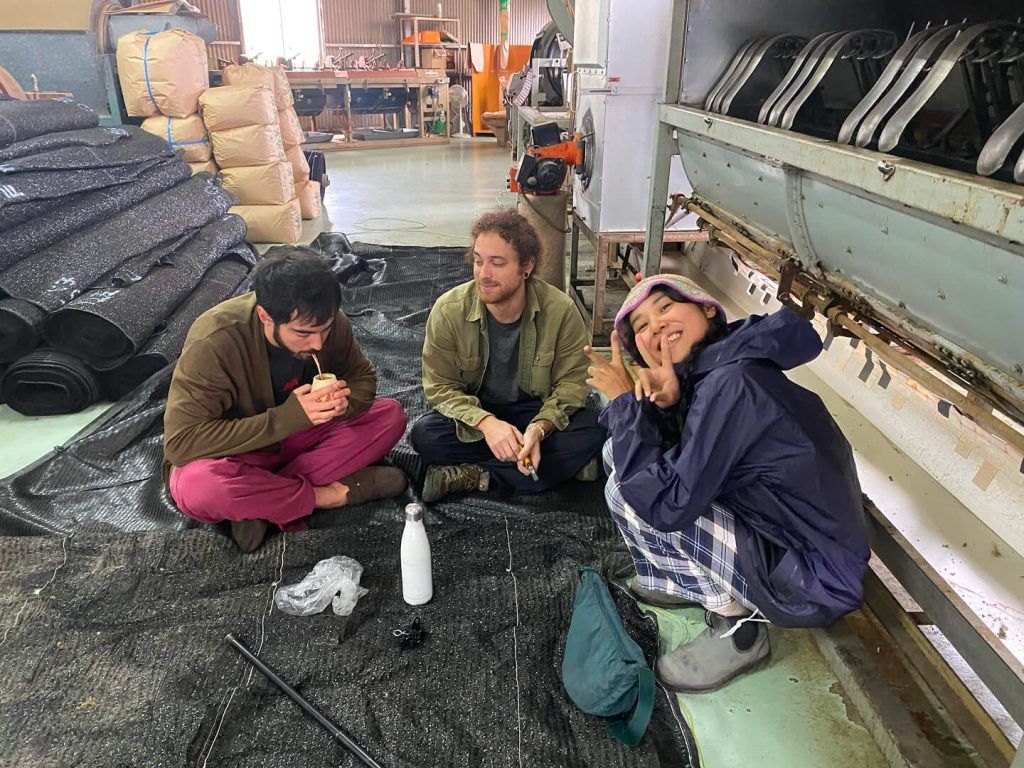
Day 4
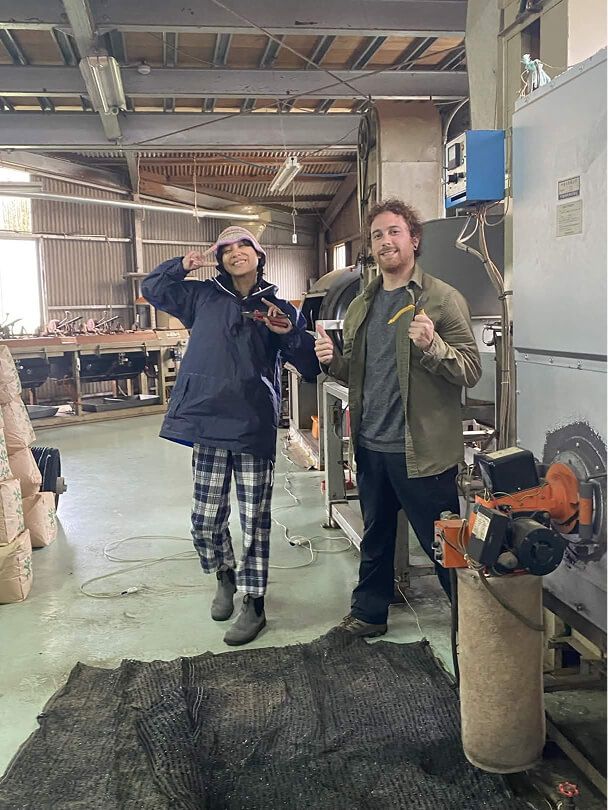
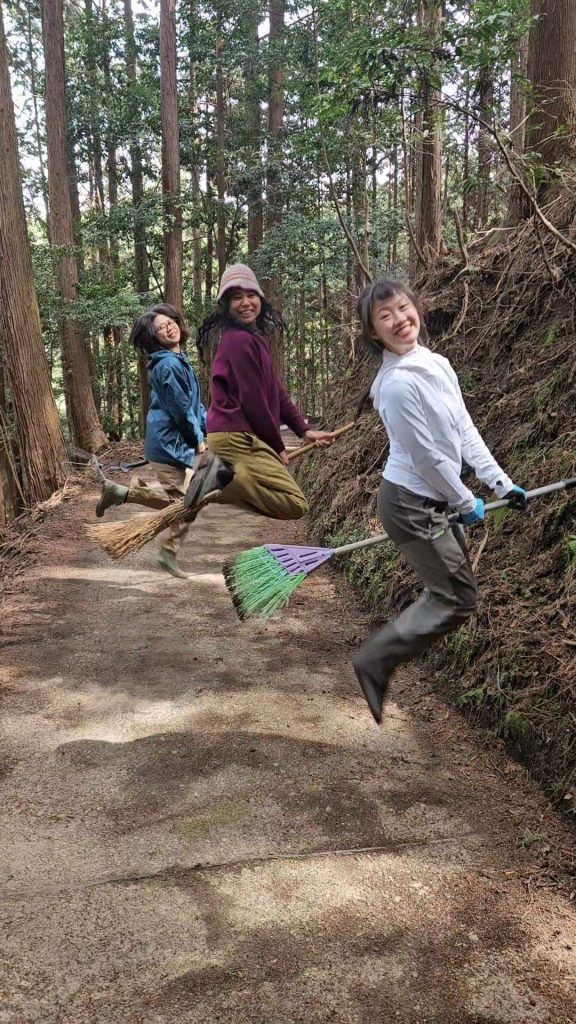
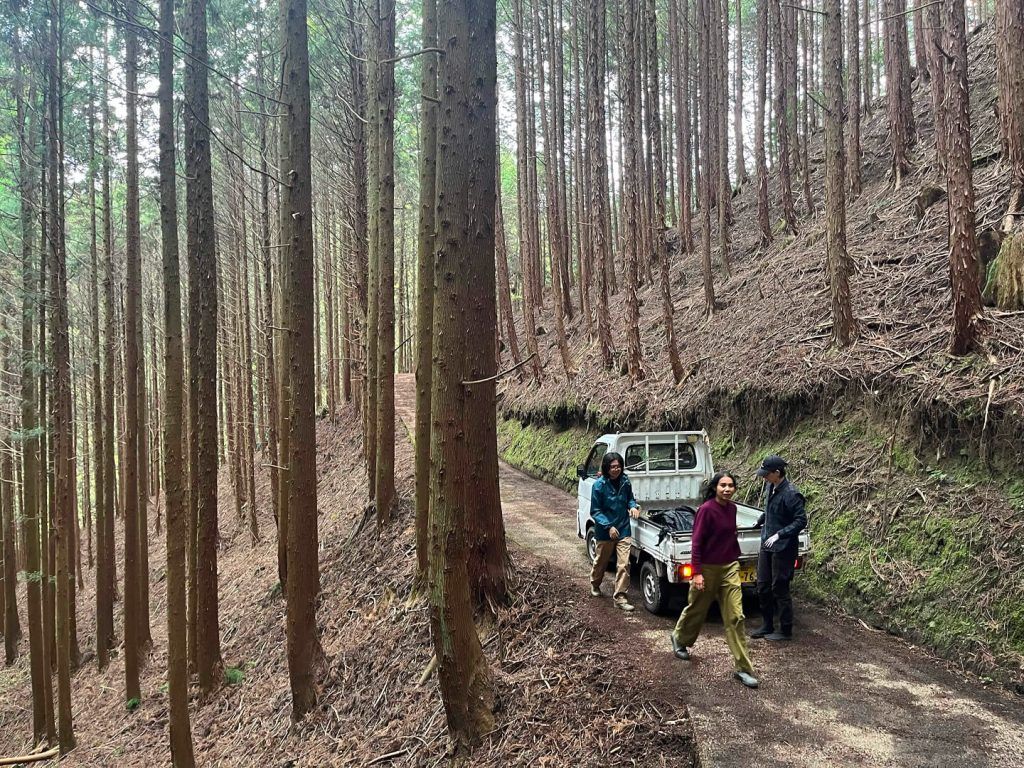
This day was dedicated to farm work in the “Aoi Mori” field, known as Obubu’s organic section.
I had been looking forward to it, and it did not disappoint. Riding in the back of a truck for the first time while singing country songs felt like something out of a movie.
We worked on shading the tea plants to enhance umami and cleaning the paths around the fields. Surrounded by nature — clear streams and birds singing — it was a truly peaceful and refreshing experience.
In the afternoon, I joined another tea tour and tried to be more proactive this time.
At night, I attended an intern study session (JBT), which included a lecture on teaware and a presentation by Katrina about her travels and tea cultures around the world.
It was a long but incredibly fulfilling day.
Day 5
On the final day, we adjusted the shading in the fields, and just like that, my one-week experience came to an end.
Reflection
This week was incredibly rich and fulfilling — each day felt meaningful and full of new experiences.
My goal in coming here was to meet people who love tea, hear their stories, understand how international visitors perceive Japanese tea, and experience tea in an English-speaking environment.
I feel that I achieved all of these goals.
I also learned that Wazuka teas are often lightly steamed, resulting in a beautiful, clear green color. Obubu’s teas, with their unique production methods and Akky-san’s philosophy, felt truly one-of-a-kind — something you can only experience here.
Their approach of embracing the flavor of each year is very different from the standardized bottled teas commonly found in Japan.
Lastly, I asked Kita-san about her favorite tea.
If you ever visit Obubu, I highly recommend asking the producers about their favorite teas — it’s a simple question that leads to fascinating conversations.