
When I left Wazuka last year, the rice had just begun to get plump, the orange grains beginning to droop over the neon grass. I’d never seen rice reach this stage of growth and was a bit remiss to have left before the harvest began in earnest. But I’ve rectified that regret and watched many of the paddies here in the valley get chopped at the root. It’s interesting that the rice begins to take the color of the spring flush. The common practice is to burn the field after harvesting so the days have become quite smokey.
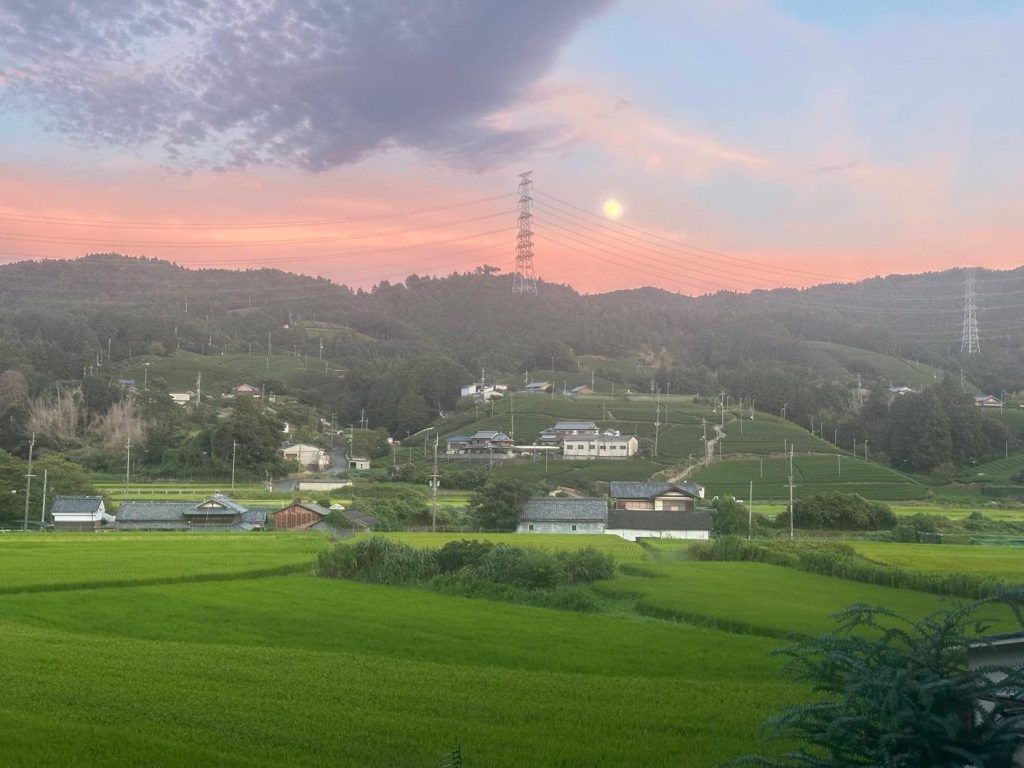
We’ve finally started the final harvest of the year, we’re harvesting autumn tencha and bancha leaves, so the bags are quite heavy. But it’s good to be in the tea fields again after the long summer break. I’ve never harvested autumn bancha, so learning about the autumn harvest is quite interesting as it is a much more relaxed and carefree time in the valley. I’m making tea again after a brief summer break, I’m excited to see what kind of results I get with the final flush of the year. The moisture content of the leaves is usually lower at this time of year, and they are quite thick and leathery, especially in comparison to the spring flush; I expect they will take a much longer time to wither before rolling. I’m hoping some of the flavors I can get from the tea are more distinct from the many other batches of black tea I’ve made this year; we shall see.
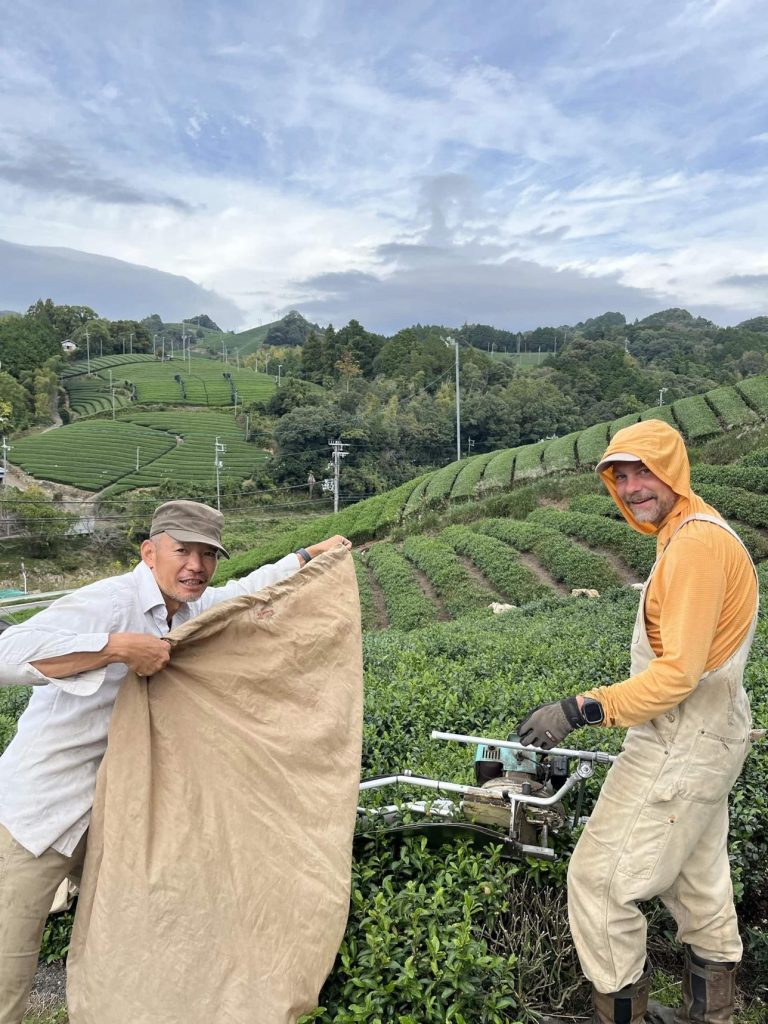
The leaves on the trees are beginning to change; it’s something I’ve eagerly awaited since arriving this past winter. Our last intern group of the year is already busy with Japan’s fall tourism season picking up. One of my favorite things about this year has been watching each group grow together as friends and tea enthusiasts. They are each quite unique groups, and it’s been fun learning to mentor such different groups of tea enthusiasts.
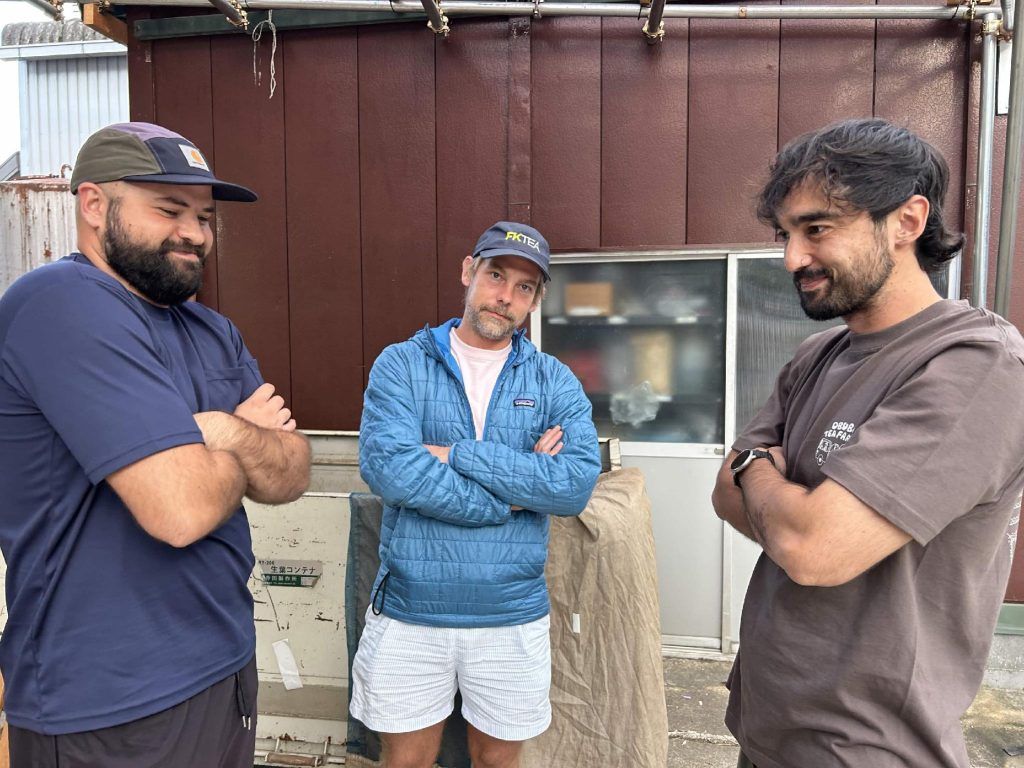
Next year’s assistant managers are beginning to take over their leadership areas, and it will be exciting to see them develop the roles as their own. On a related note, the maintenance team has tripled! We’re already tackling some of our winter projects and getting the farm ready for next year. There’s a lot to get finished before next year, but I’m sure that with two extra pairs of hands we’ll make quick work of our projects.
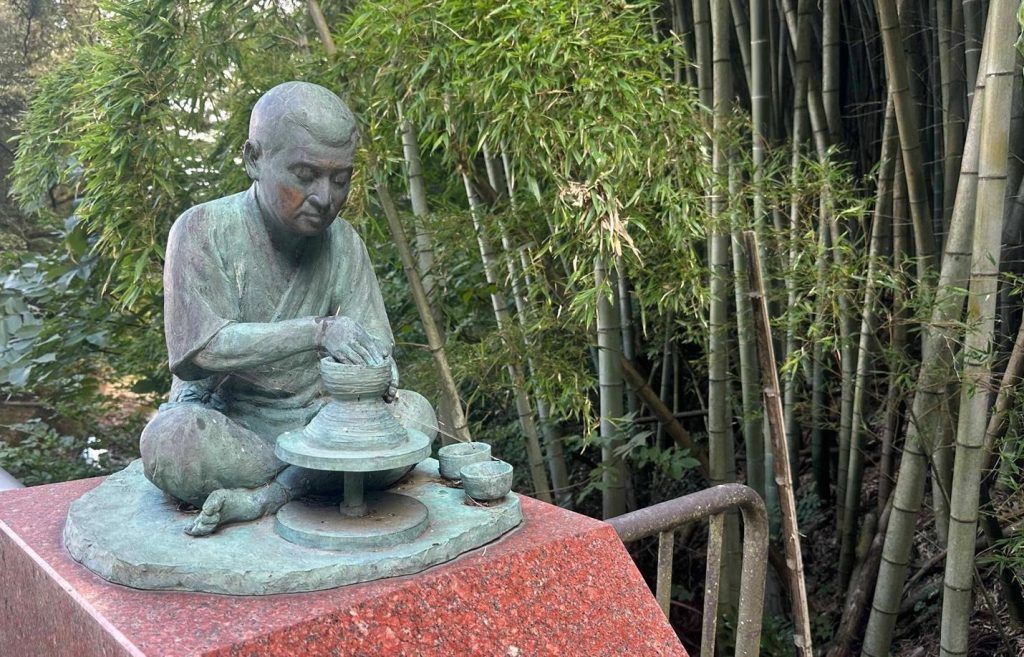
I’ve finally visited all six of Japan’s ancient kilns. I must say, if you have the time, they’re well worth the trip. Each is profoundly unique, the artisans and staff are friendly, and there is quite a bit of knowledge to be had on how each style of pottery came into its own. I now have a piece of tea ware from each, and they are all quite special. It’s amazing to see the variety of techniques and artistry not only between the different kilns but even between the artists at each specific kiln. I’m not sure I have a favorite; I would like to revisit each of them again in the future. I could spend days wandering around the many shops and admiring each artisan’s work; the dedication to the craft is one of several aspects that I appreciate most about visiting these cultural landmarks across Japan.