Hey everyone!
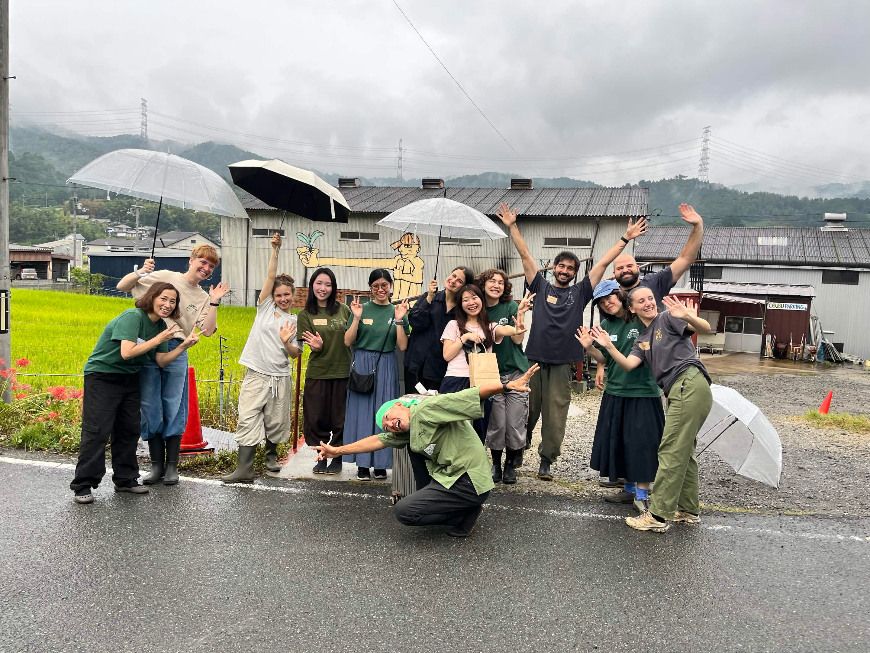
I’m Riona, a college senior currently taking a break from school. I just finished a short-term internship at Obubu!
I wanted to share what I did and learned during my 10 days there for any future Japanese interns thinking about trying it out.
What I got to do during my short-term internship:
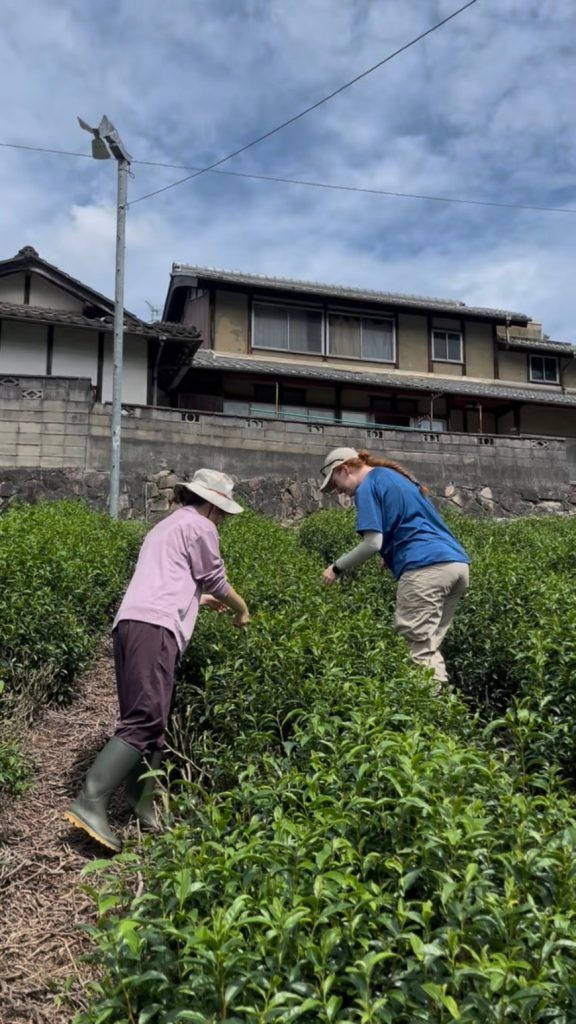
- Weeding out in the tea fields
- Helping prep lunch at Obubu Cafe
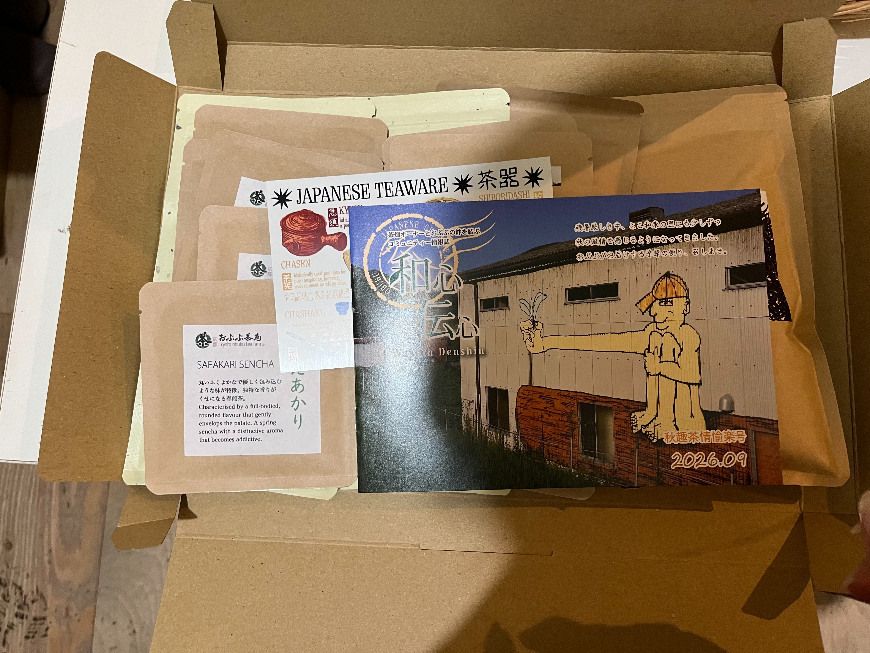
- Packing tea for this season’s Tea Club
- Learning tea basics in English through the JTB course
- Helping with morning presentations and even presenting on the Tea Tour
- Roasting hojicha with my own hands using actual professional machines
- Joining the English Tea Tour as a guest
First up, I’m going to share my hands-on experiences (like weeding and helping out around the farm) and what I learned from the Tea Tour and JTB basics course.
If you’re curious about the short-term internship at Obubu, this post should give you a good idea of what it’s actually like.
I went at the end of September, which happened to be the off-season for harvesting, but I still got to help with tea field maintenance and weeding!
On our way to the fields, they let me ride in the back of a kei truck… and honestly? It was the absolute best thing ever (lol).
It wasn’t just mindless weeding, either. I got to learn so many cool facts, like how Obubu buys up abandoned tea fields caused by the aging population, and why bamboo is the ultimate archenemy of tea farmers.
Obubu has been doing pesticide-free and fertilizer-free natural farming in some fields since 2020, but turns out, this method requires a crazy amount of manual weeding and care! Since they don’t use organic fertilizers, you have to be super thorough with grass cutting so the weeds don’t steal all the nutrients from the soil. I had no idea the weeding I was doing so casually actually mattered that much. Mind blown!
After finishing up in the field, Allison, the assistant manager from Taiwan, gave us a Tea Tour in English! We got to sip tea while learning how they maintain the fields, the whole process of drying and bagging the leaves after harvest, and we even did a tea tasting.
Since I took the tour completely in English without knowing anything beforehand in Japanese, I only understood about 50% of it, but it’s an amazing opportunity for anyone who wants to learn how to pitch the charm of Japanese tea to foreigners in English!
Like I mentioned earlier, Wazuka Town has a lot of abandoned tea fields because of the aging population and declining birthrate. Once a field is left untouched for 2 to 5 years, it apparently takes about 3 whole years to get it back to producing consistent, high-quality tea. That’s why Obubu steps in to rent them to keep the cultivation going.
During the tea tasting tour, we learned a ton while drinking hojicha, genmaicha, kabuse sencha, wakoucha, and okumidori matcha.
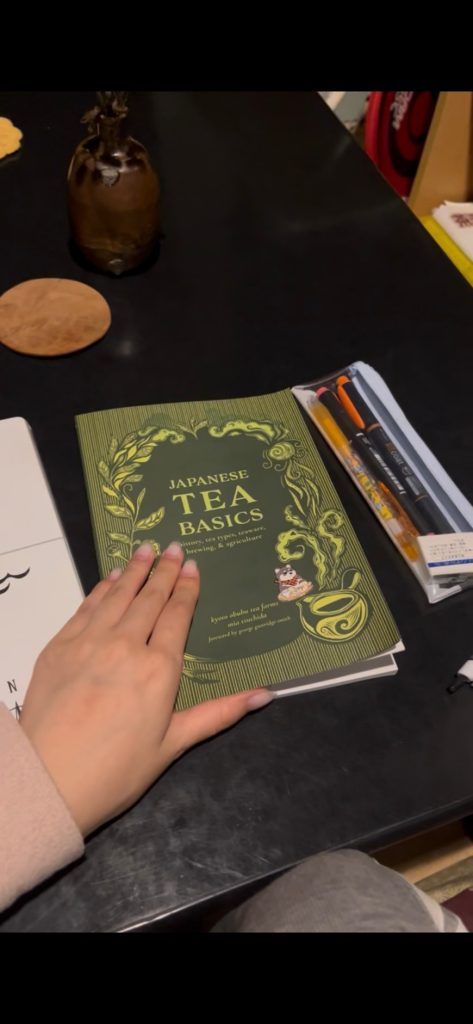
After that, I joined the JTB course, which is a class for interns and assistant managers to learn the basics of tea. We dove into tea cultivars and history—all in English!
I’m honestly embarrassed to admit this, but I literally knew nothing about tea before this (lol). For 22 years, my only contribution to tea was drinking and eating it. This was the first time I ever learned where tea actually comes from! And of course, it had to be in English from day one.
Did you know that all the tea we drink everyday actually comes from the exact same plant called Camellia sinensis? Green tea, oolong tea, black tea, hojicha, white tea—there are so many types in the world, but they all come from the exact same species. I had no idea!! (lol)
So, what’s the difference? It all comes down to how the leaves are oxidized and processed after they’re picked!
Camellia sinensis is said to have originated in the subtropical forests of the Eastern Himalayas, including China (the world’s biggest tea producer) and nearby Asian countries. It was first brought to Japan back in the Heian period by Japanese envoys to Tang China, like Saicho and Kukai, who you probably remember from history class.
You can learn all about this in the JTB course, or by reading the mini-textbooks at the Obubu shop and borrowing books from their library. If you’re thinking about doing a short-term or 3-month internship, I highly recommend studying up in Japanese beforehand. Jumping straight into English will literally fry your brain (lol). But it was such a good learning experience! Next time I take my foreign friends to a tea shop, I’m definitely going to explain it to them in English.
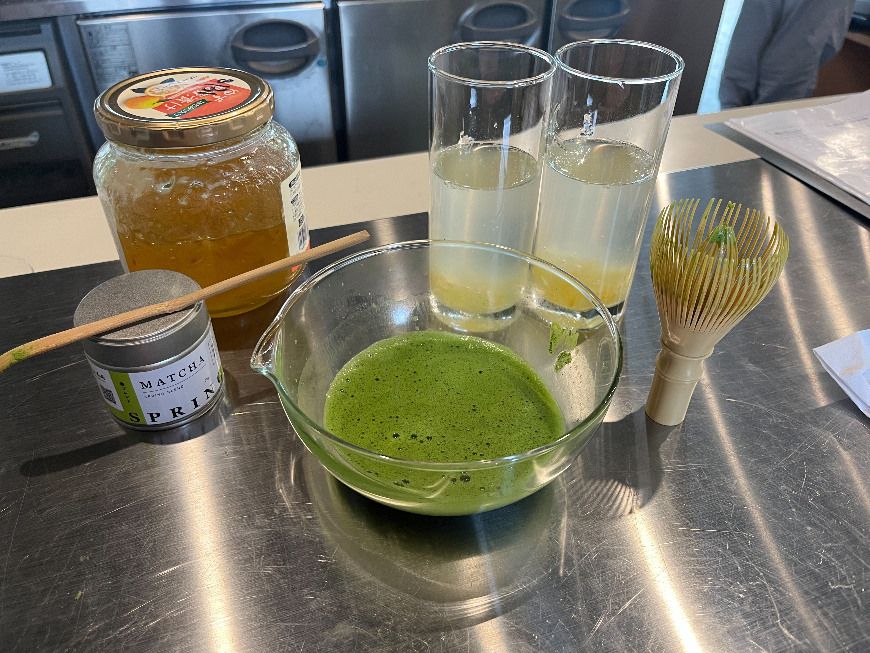
Other than that, I spent most of my time making hojicha rice balls and matcha lattes for customers at the cafe, cleaning up after tea tours, and helping with packaging. Depending on the season or whether you do the full 3-month internship, your tasks will change, and you might get to do more advanced learning or practical workshops. Honestly, I think it’s a great idea to try the short-term internship first to see if you want to commit to the 3-month one!
If you have a project you really want to launch or a specific topic you’re super passionate about studying, definitely pitch yourself to Obubu! They are incredibly flexible and love giving people the freedom to try new things—as long as it’s realistic, of course (lol). If you’re on the fence, just apply right now! Take action! You should totally come out for a short-term internship and experience it for yourself.
Wrapping Up
My 10 days at Obubu felt so fresh and exciting. Being fully immersed in English and tea while still in Japan was super stimulating, and even when it was tough, I learned so much. My biggest takeaway—whether you’re doing a short-term or 3-month stint—is that you absolutely have to make time for self-study and be proactive about speaking up, sharing what you want to do, and negotiating.
When you’re caught up in daily tasks, the days just fly by. If you just let them pass, you won’t actually realize what you’ve learned, what you need to fix, or what gets you excited to learn more. It made me realize how essential Preparation, Review, Analysis, Recording, and Improvement really are.
Also, I learned the hard way that just saying “I want to do this” isn’t enough. You need the presentation skills and persuasiveness to pitch a concrete plan, show how it benefits both you and the farm (bonus points if you have data!), and balance the profits and costs.
It was such a massive learning experience. As I sit here sipping my tea, I’m already thinking about how I can level up and apply these lessons to my next adventure! (lol)