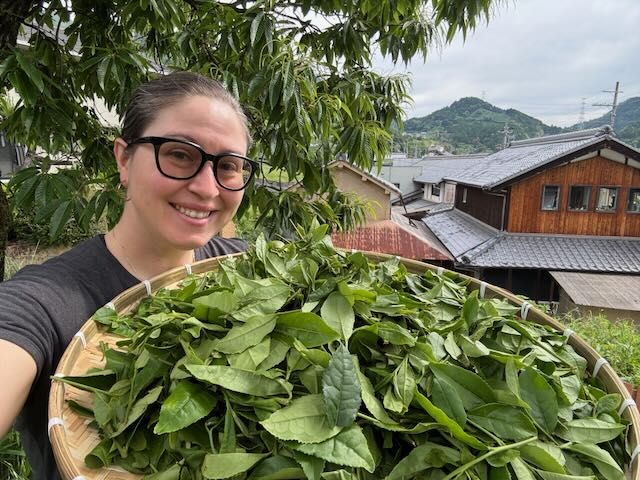
My name is Jennifer Griffith-Delgado, and I was an intern at Obubu in Spring 2026. I applied for the internship because I love Japanese tea and want to help it reach more people abroad. Naturally, when I saw an item called “sencha promotion” on the list of potential intern projects I was intrigued.
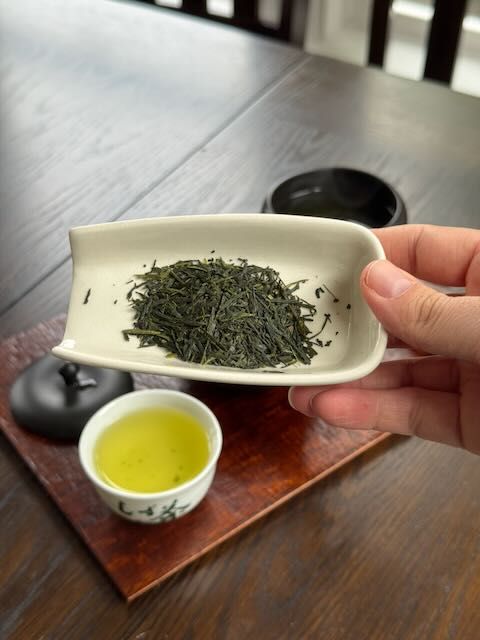
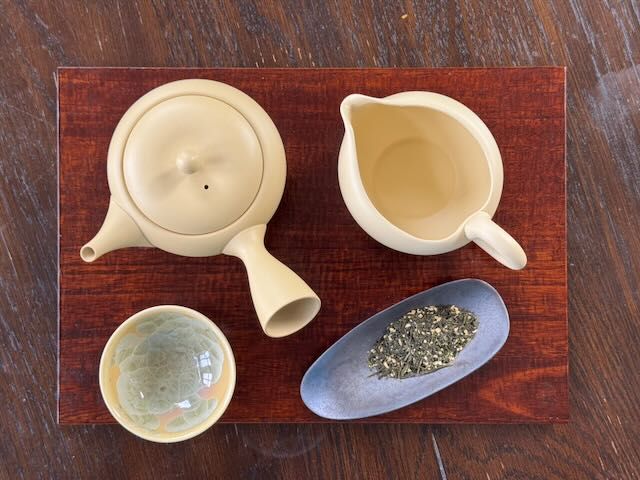
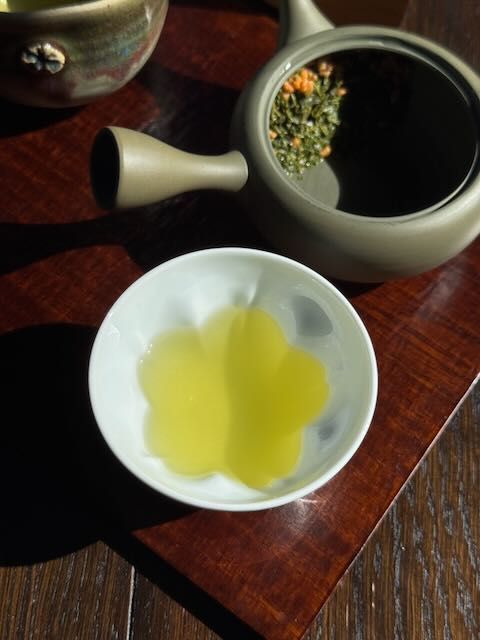
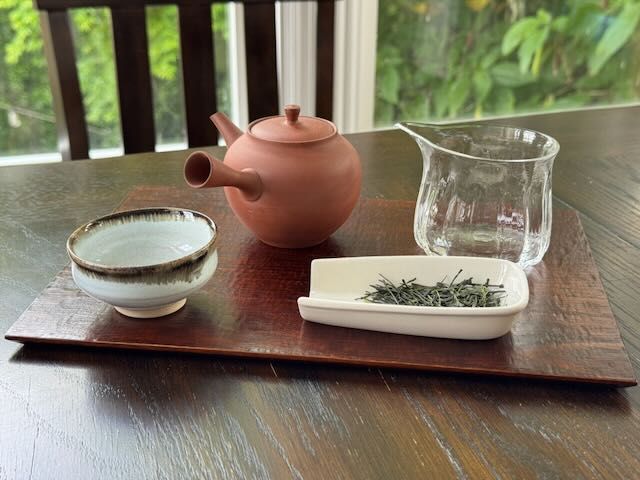
Obubu’s mission is to bring Japanese tea to the world. Amid the matcha boom, however, sencha and other loose leaf Japanese teas are not getting as much attention in general. The question was how to find and reach potential sencha drinkers. Marusya — former Obubu intern, current assistant manager, and pro marketing strategist — was leading this project. I already knew from working with Marusya on the social media team and in general that I’d be excited to collaborate with her; after some discussion we determined that the best way I could contribute to her broader initiative was to provide a US perspective on tea buying habits. Obubu has no one on permanent staff or focused on marketing who is from the US, so as someone who lives there and interacts with tea drinkers regularly I could help fill in some gaps on the company’s customer story.
We started with a plan where I would do in-depth research on who is buying green tea in the US, how Japanese tea is perceived, and so on. Unfortunately, spring session didn’t leave me with a lot of time to do the legwork for a thorough accounting. Turns out spring harvest and the increase in tourism keep the interns busier than in other seasons. I was told at the beginning of my time here that I may not have a lot of time to work on my project, but that warning didn’t really sink in until this point. And once I did start, I also ran into paywalls for access to the kind of data I wanted.
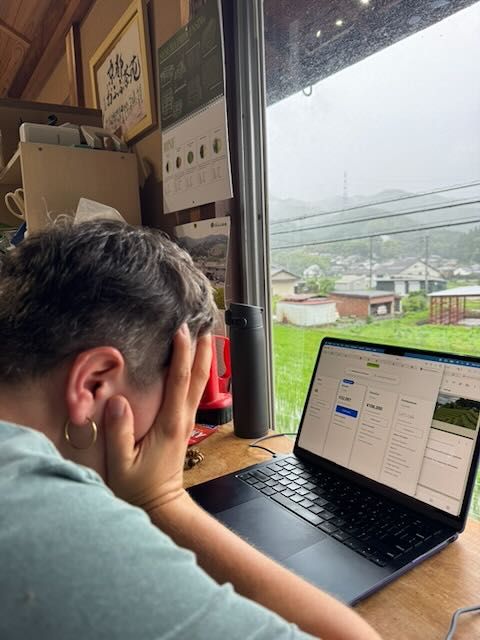
I started to think I might need to survey people directly to make progress. I checked in with Marusya, and she agreed. We rescoped my project as an initial evaluation of our hypotheses about potential sencha drinkers and a way to lay the foundation for future work. In the new scope, I had three goals:
- Create and publish my survey
- Collect at least 30 responses
- Answer our initial research questions from a personal perspective
As a stretch goal, I’d put together a presentation of my findings if there was time.
The survey I created was my first customer research survey. I was excited to do it because I’ve been eager to research market potential for Japanese tea in the US for a little while now. I tried to make it short, interesting for participants, and insightful for my research. Thanks to feedback from Marusya and others at Obubu, I think I struck a decent balance.
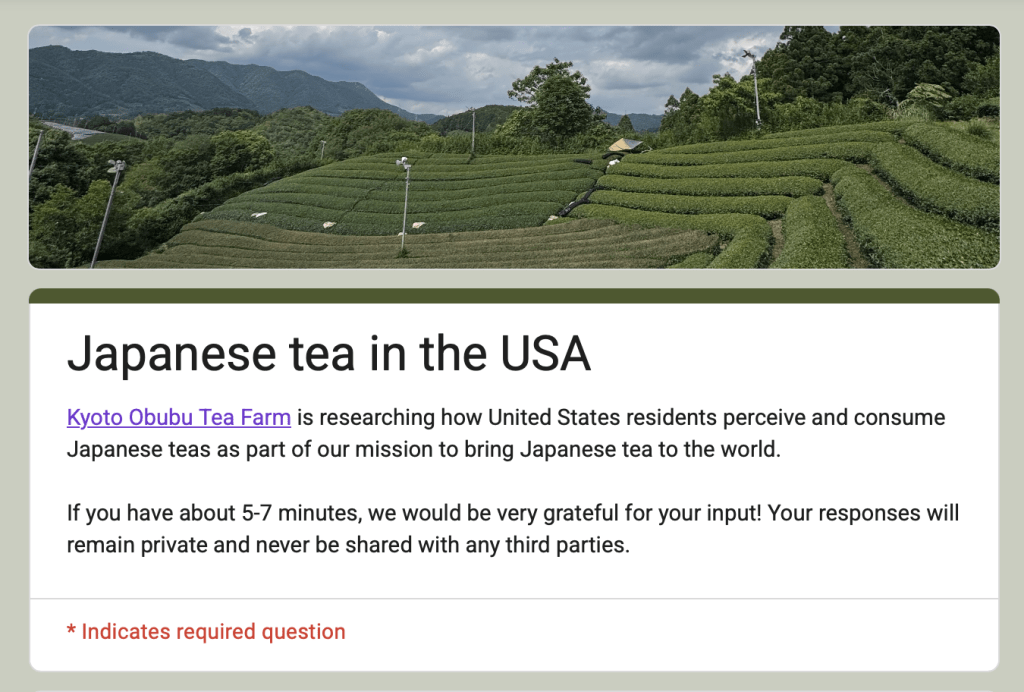
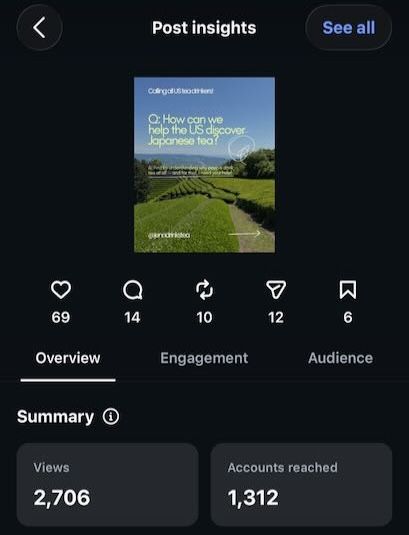
Once the survey was published, it was time to blast it out as far as I could reach. To that end, I published an Instagram post explaining what I was up to so folks would understand the project and to make the survey easier for others to reshare.
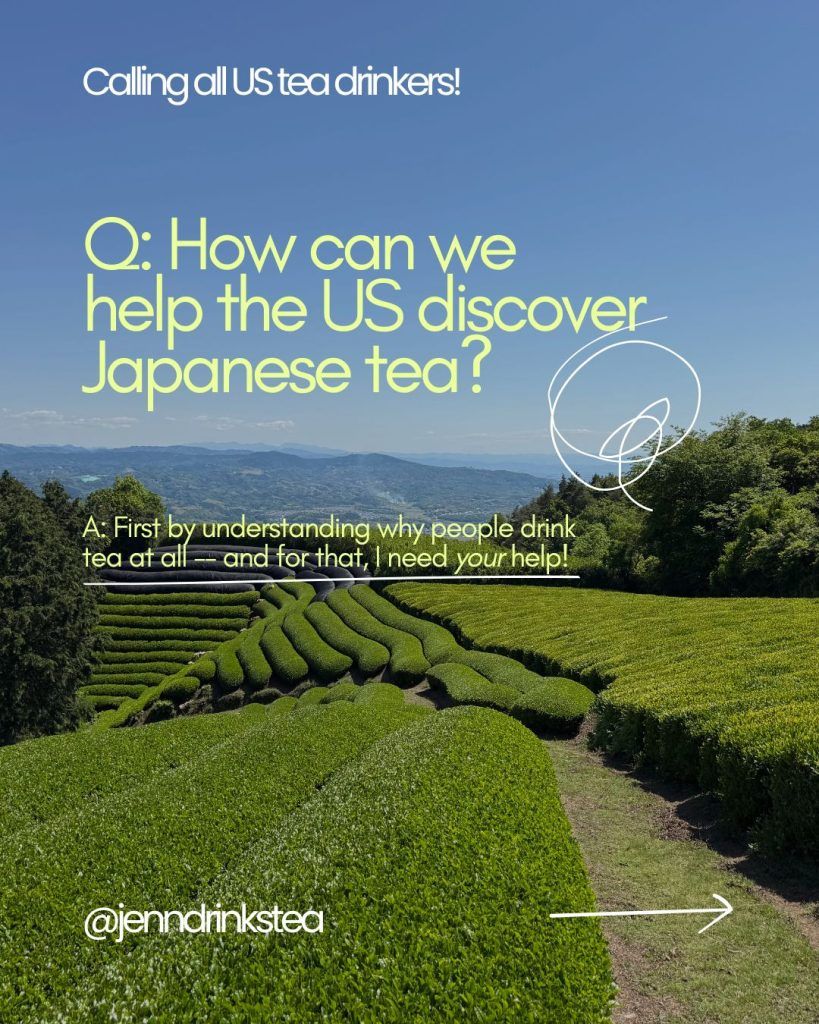
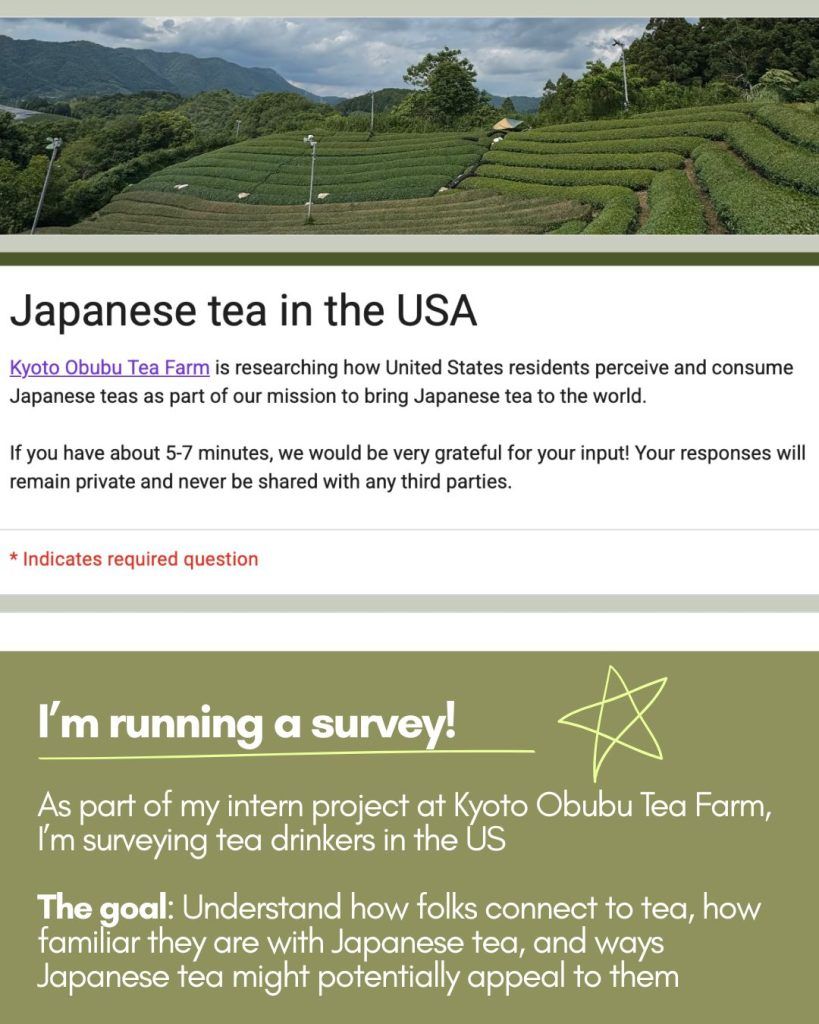
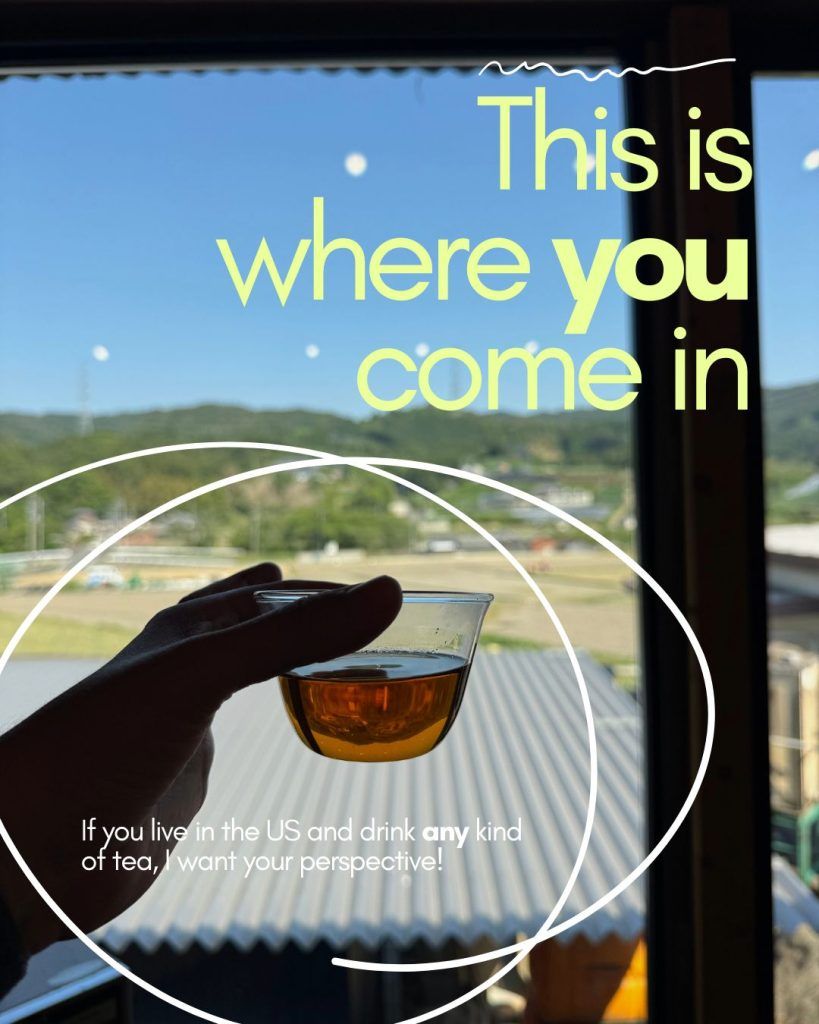
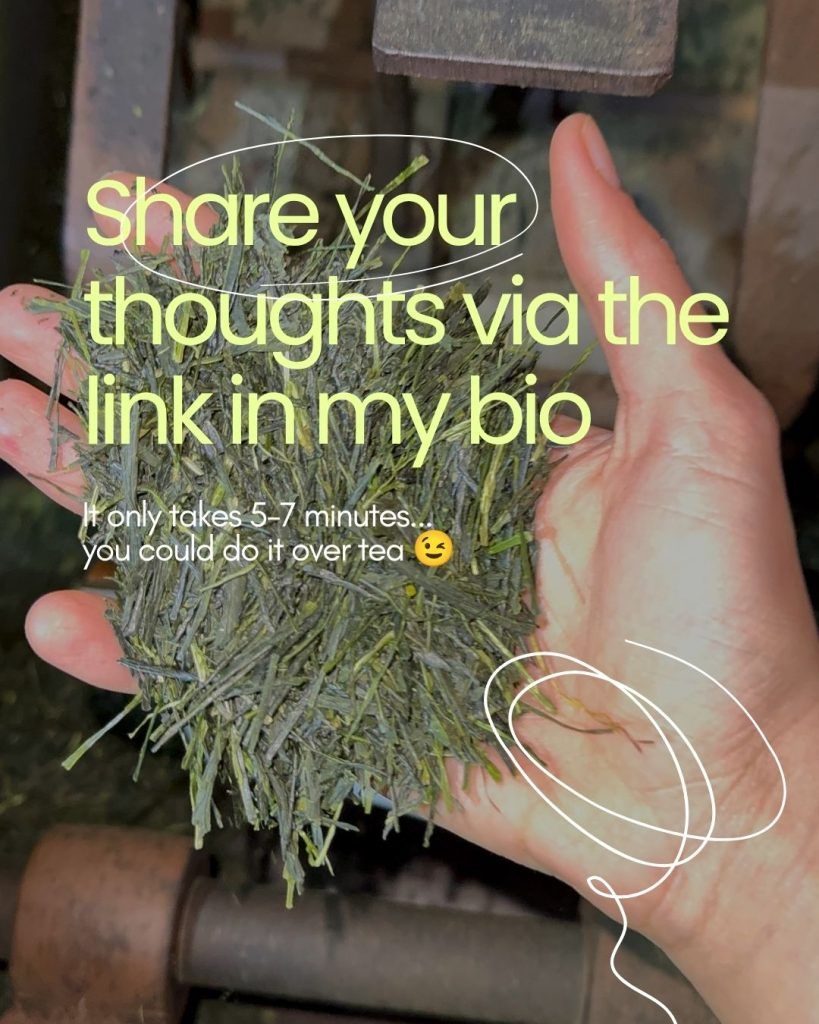
I’m so grateful to everyone who amplified this post, whether they were friends of mine, friends of friends, or friends of Obubu. In the end, I collected more than the 30 responses I was aiming for.
It still wasn’t a huge sample set, but the data did reveal some interesting patterns. Here are some insights about US tea drinkers that I took away from the responses.
- Flavor matters more than health: respondents consistently prioritized flavor and quality over health benefits. Green tea is often marketed as something to drink for your health, but folks already drinking tea are looking for something that tastes great.
- First impressions are important: whether positive or negative, folks who remembered their first sencha experience recalled a strong reaction to the flavor.
- Brewing sencha can be intimidating: several respondents said their first attempt was confusing or otherwise disappointing. Some later realized that sencha could taste good if brewed well, but not all tried it again.
- US tea drinkers like to know where their tea comes from: supply chain transparency was second only to flavor in ranking for factors that influence someone to buy a tea for the first time.
- Many tea drinkers know matcha but not sencha: even among people who already enjoy tea, “sencha” was often a new term to them.
All of this reinforces my existing thought that selling sencha is about helping folks discover and embrace a new flavor. The first cup they experience matters a lot, so it needs to be approachable and should leave them with the confidence to come back for another one.
My project window has ended, but the survey is evergreen and still accepting responses. So if you live in the US and drink any kind of tea at all, I hope you’ll consider sharing your perspective. You can find the survey at this link. 🫶