
Over the past years, my understanding of tea has gradually shifted from seeing it as a finished product to recognizing it as a long, slow ecological process. Observing the life cycle of tea plants—especially from propagation to early field establishment—has reshaped how I think about time, cultivation, and human intervention.
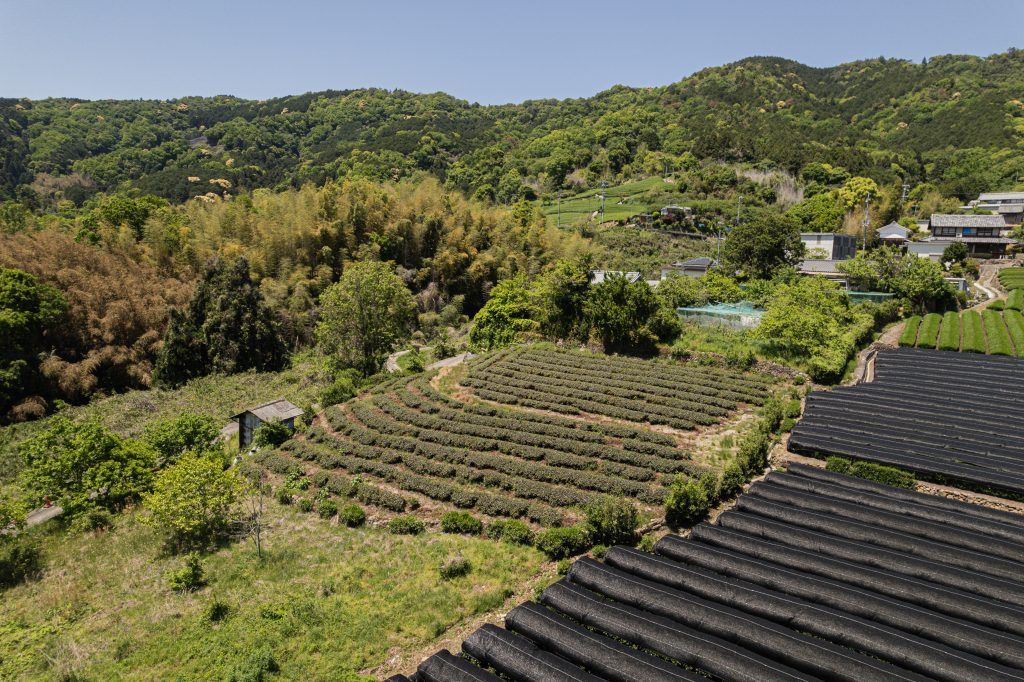
What struck me first is how invisible the beginning of tea truly is. The process starts not with harvest, but with cuttings: small fragments of mature plants carrying genetic memory and potential. At this stage, growth is fragile and highly controlled. The nursery environment, with its stable moisture cycle and carefully chosen soil, reveals how much attention is given to minimizing stress and creating continuity between stages. The use of soil from the future planting site, combined with clean sandy soil to prevent weeds, demonstrates a philosophy of gradual transition rather than abrupt change. Even before entering the field, the plants are being prepared for the environment they will eventually inhabit.
Field renewal introduced another layer of understanding. Resetting an old tea field is not simply clearing land; it is a deliberate ecological reset. Burning, soil replacement, drainage construction, and the burial of roots and stones are all part of rebuilding the underground world that supports future growth. This work is physically intensive yet conceptually quiet. Most of it remains invisible once the field looks “ready.” It made me realize that the visible landscape is only a surface expression of deeper, slower processes happening below ground.
The establishment phase has perhaps been the most humbling stage to observe. Growth is uneven. Some seedlings thrive, others fail, and replacement planting becomes part of the rhythm. Instead of forcing uniformity, the field evolves through gradual selection and adjustment. This patience contrasts sharply with modern expectations of efficiency and immediate results. Tea cultivation operates on a different timeline, one that requires trust in processes that may take years before producing visible outcomes.
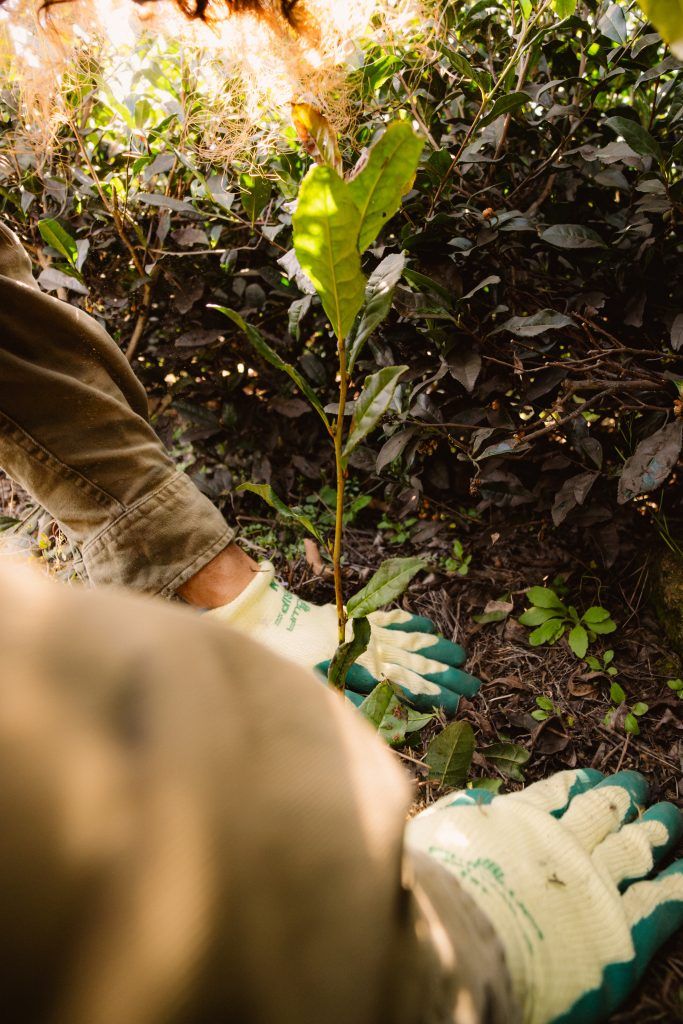
Through this experience, tea has become a lens for thinking about long-term relationships between humans, plants, and land. It is not defined by a single moment of harvest but by a continuous cycle of preparation, care, loss, and renewal. The life cycle of tea reminds me that meaningful cultivation—whether agricultural or personal—rarely happens quickly. It unfolds through sustained attention, adaptation, and the willingness to work with time rather than against it.
If you would like to learn more, you can explore the following link for further reading!