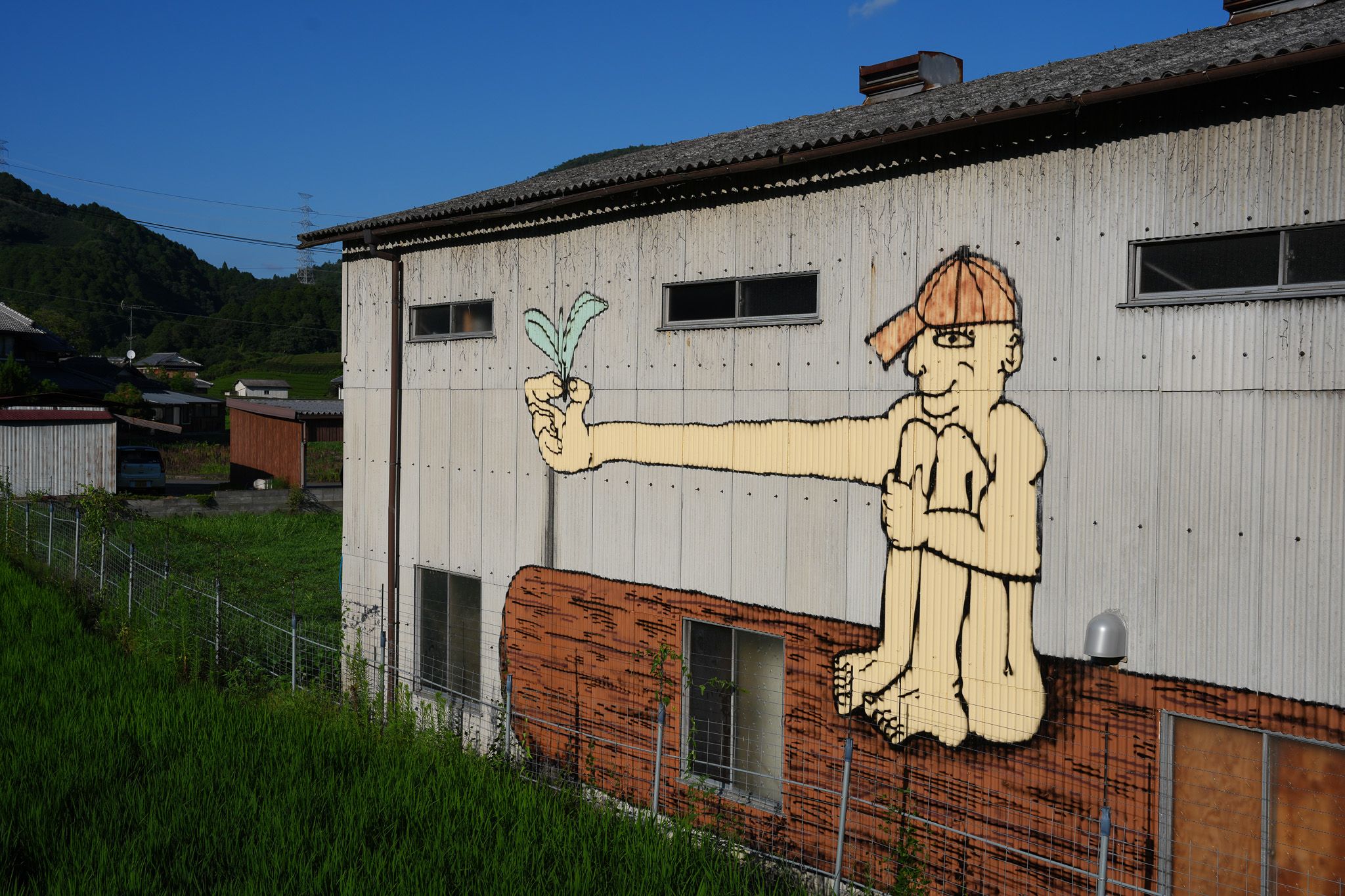
For this cultivated variety #231 intern project, I’ve decided to pick up where another has already tilled the land for a Self-Guided Audio Tour. Developing an Audio Guide for a Self-Guided Tea Tour
required research, writing, field testing, recording, editing, organization, and thinking
about how a visitor would actually experience the tour. Creating that audio guide for a
self-guided tea tour began with a simple question: How can the experience of a guided
tea tour continue even when a guide is not physically standing beside the visitor? The
goal was to take the information normally shared during an Obubu tea tour and turn it
into an experience that visitors could explore at their own pace while walking through
the countryside of Wazuka. The project required more than simply recording information
about tea. It required thinking about the entire visitor experience: from where a person
would be facing, what they would see when there, when they would stop, and what
information would be most meaningful at the location. The audio needed to function as
a guide, storyteller, and companion while still allowing the listener to remain engaged
with the surrounding landscape.

Researching the Tour
The first step was determining what information belonged in the guide. Existing Obubu
tours provided an important foundation because they already contained information
about tea cultivation, camellia sinensis, Japanese tea culture, the history of Wazuka, and
the relationship between tea and the local community. Rather than simply copying the
information from a traditional tour, the challenge was deciding what would work in an
audio format. A live guide can react to questions, point toward something interesting,
change the pace, or explain something differently depending on the group. An audio
guide does not have that flexibility. Because of this, each section needed to be
understandable without a guide standing nearby.
Information had to be concise enough to keep a visitor engaged while still providing enough context to make the landscape meaningful. If any questions arose, the guest could bring their curiosity into
the cafe or shop, where it would be met by staff members. This also meant researching
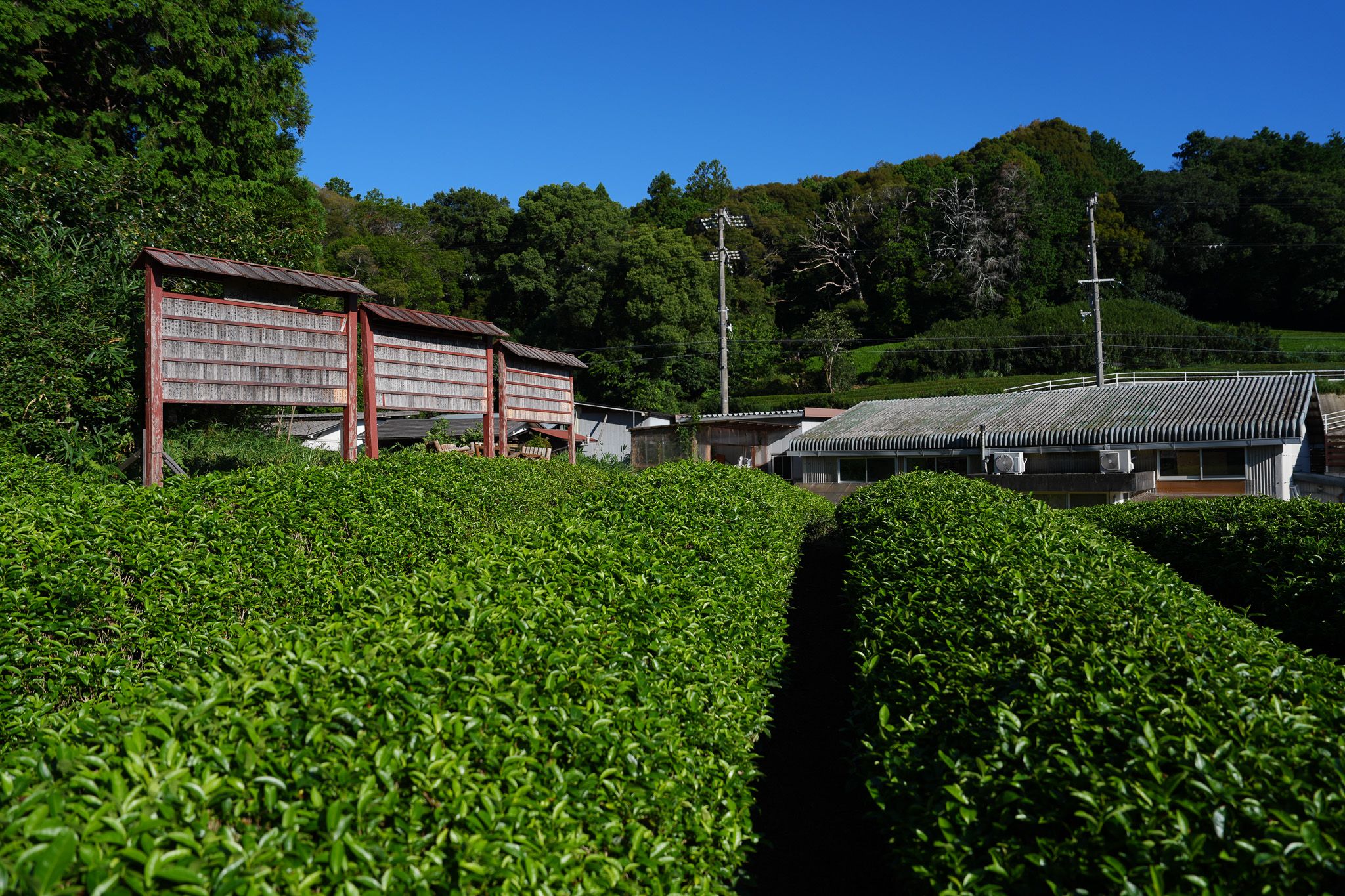
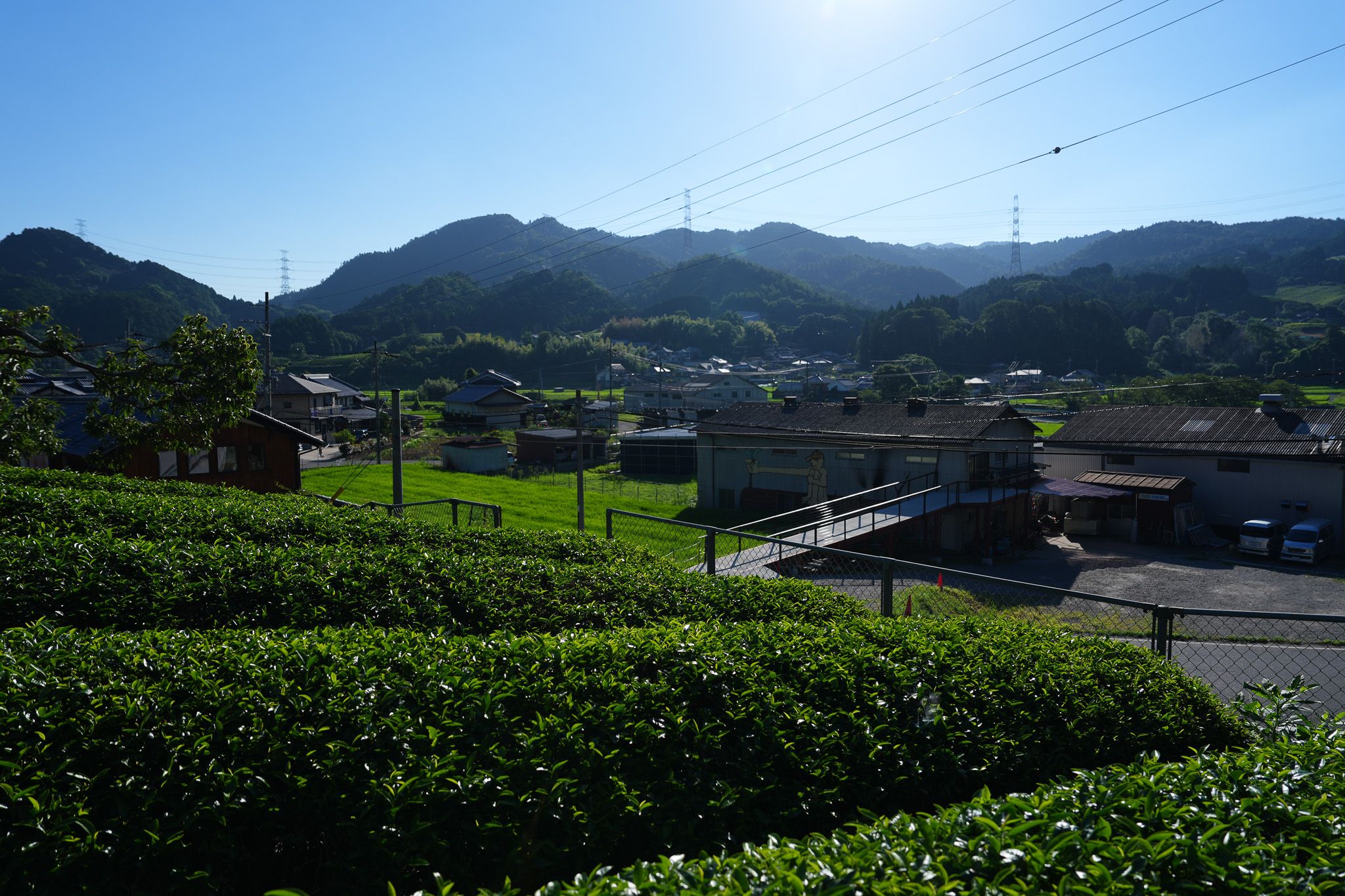
the walking route itself. Each location needed a reason to exist within the tour. A tea field
could introduce cultivation, a mountain view could explain Wazuka’s landscape, a river
could provide an opportunity to discuss the environment, and a particular road or
community space could connect the visitor to the history of the area.
Writing for the Ear
One of the biggest differences between writing an article and writing an audio guide is
that people listen differently than they read. A written paragraph can be reread when
something is confusing. An audio listener is generally walking, looking around, taking
photographs, or simply enjoying the scenery. Instead of long explanations, information
needed to be broken into natural sections with clear transitions. Technical terms such
as camellia sinensis, sencha, kabuse, zairai, and bancha needed to be
introduced in ways that a first-time tea visitor could understand. The tone was equally
important. That meant leaving room for moments of silence as well. An audio tour
shouldn’t constantly tell visitors what to think. Sometimes the best guide is one that gives
the listener a piece of information and then allows them to look around and experience
the landscape for themselves.
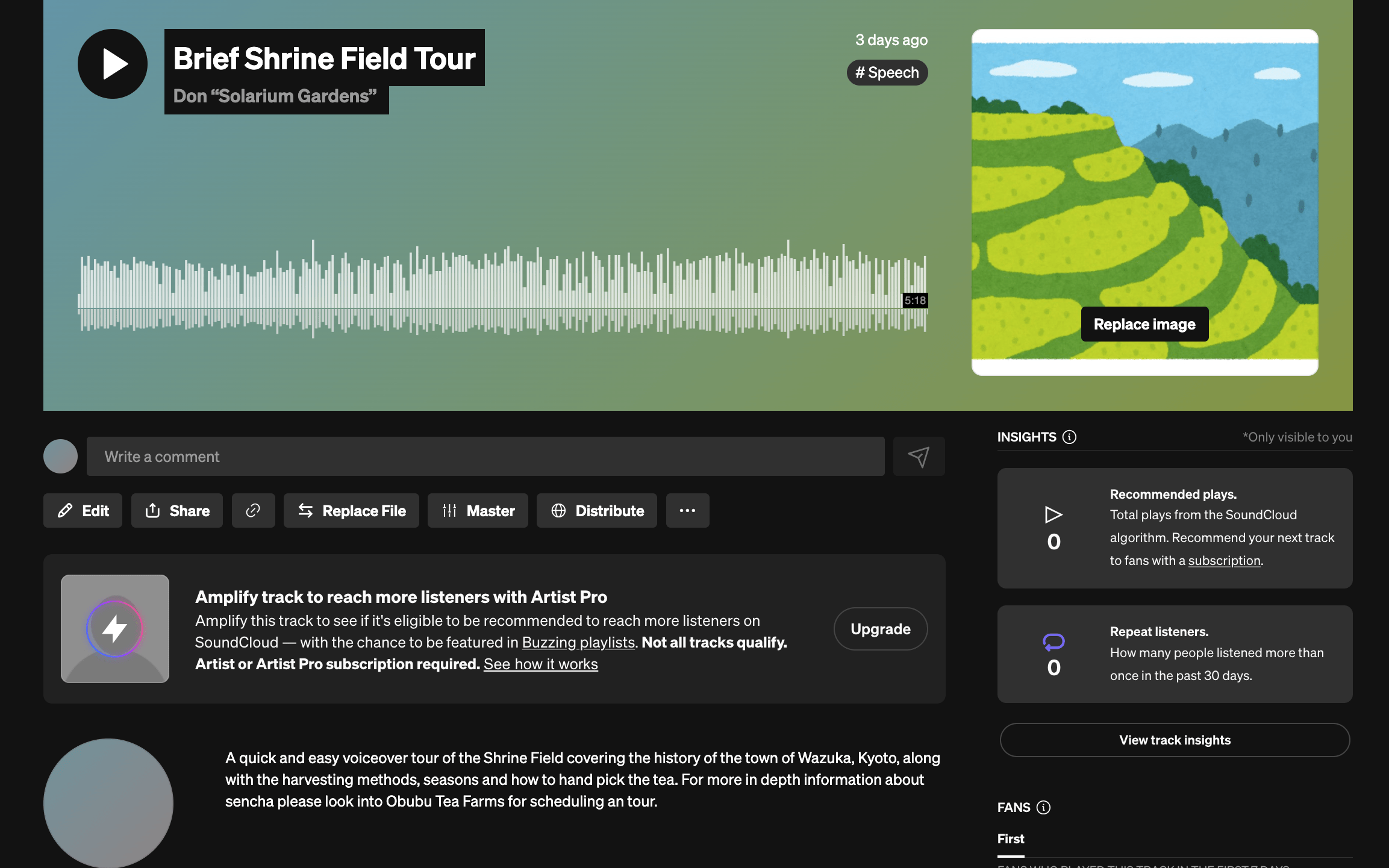
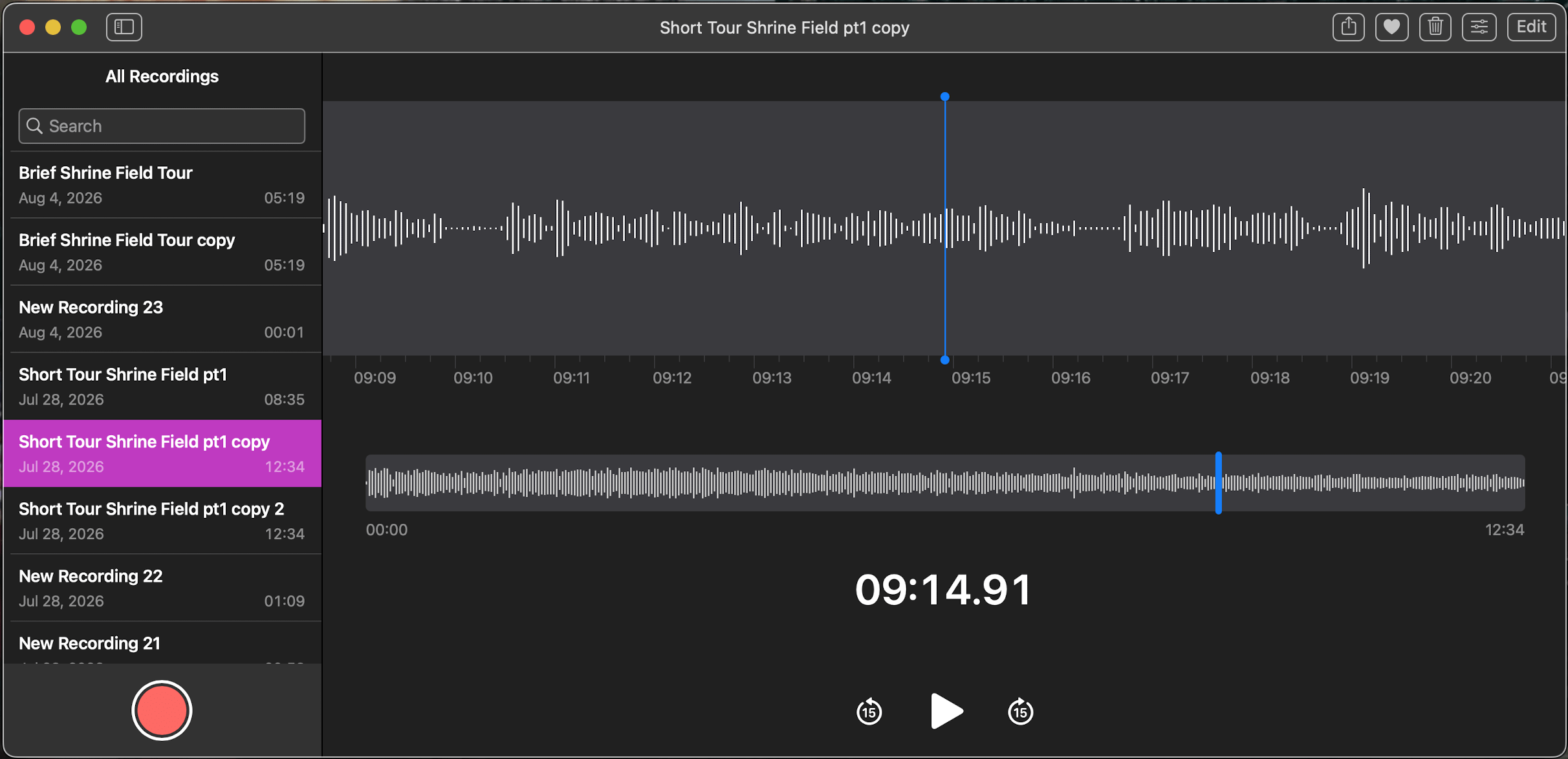
Editing and Building the Audio Experience
After recording, the project moved into editing. This involved removing mistakes,
mispronunciations, unwanted noise, and sections that did not flow naturally. For a
walking tour, this organization is particularly important. Visitors should be able to
understand where one section ends and another begins. The editing process also
required listening to the recordings repeatedly. Something that sounds natural while
recording can sound completely different after editing.
This made repeated playback an important part of quality control. The goal was not simply to make the audio technically clean. It needed to feel natural.
What the Project Required
Ultimately, creating the audio guide required several different skill sets working together.
Research was needed to ensure that the information about tea, Wazuka, agriculture,
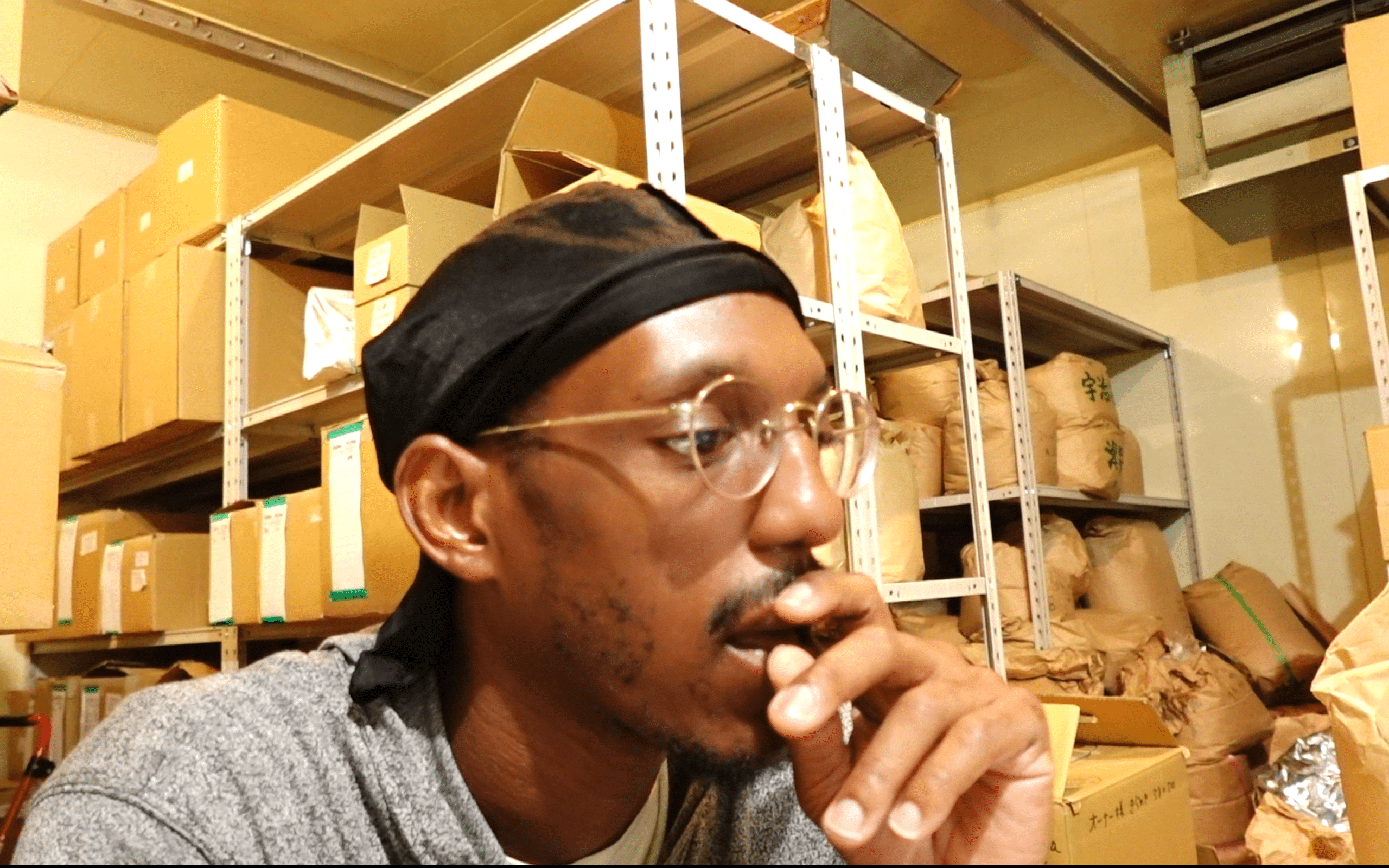
and Japanese culture was accurate. Collaboration with the assistant manager staff,
David, as the in-studio engineer, to ensure that I was on par of course. Writing was
needed to transform that research into narration that could be understood while walking.
Public speaking was necessary to deliver the material naturally and
consistently. Graphic and digital design became important for creating artwork,
QR-code signage, and an organized online presence.
Field research was necessary to walk the route and determine whether the experience
actually worked outside of a computer. The real project was creating a way for
someone to experience Wazuka and learn about tea without requiring a guide to
physically accompany them.
Creating this audio guide gave me a different perspective on what it means to give a
tea tour. A traditional tour depends heavily on the person leading it, while a self-guided
audio tour requires the landscape, the story, and the visitor to work together. The project
challenged me to take information I had learned during my time at Obubu and
translate it into something another person could experience independently. It required
me to think beyond simply what I wanted to tell people about tea and instead ask what
I wanted people to notice, understand, and remember when they walked away. In that
sense, the audio guide became another way of sharing tea culture. The visitor isn’t
simply listening to information about Camellia sinensis. They are walking through the
environment where tea is grown, hearing the sounds of the countryside, seeing the
fields, and experiencing the relationship between the plant and the people who
cultivate it.
Basically, the end goal was never just an audio guide, it was to give visitors another
way to walk into Wazuka, listen, learn, and experience tea for themselves. So if you’re looking to follow along the countryside with Obubu, listen in on the podcast and let me know if you have learned something new!